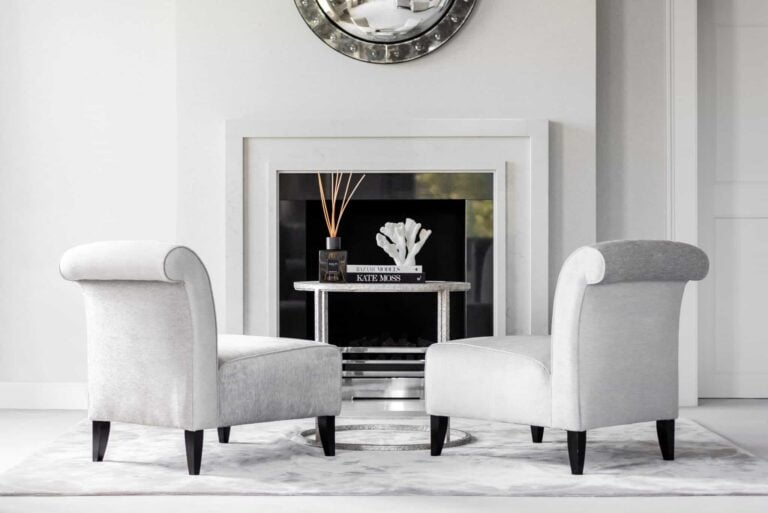
What Is Residential Interiors Photography and Why Does It Matter?

Quick Answer: Residential interiors photography is a specialized genre focused on capturing the design, lighting, and atmosphere of living spaces. It matters because high-quality interior images serve as the primary visual portfolio for interior designers, architects, and high-end property developers in Yorkshire, directly influencing their ability to attract new clients and win prestigious projects.
For interior designers, architects, and bespoke home builders across Yorkshire, the final presentation of a completed project is just as important as the design process itself. Residential interiors photography goes beyond merely documenting a room; it is about translating the three-dimensional experience of a carefully curated space into a compelling two-dimensional image. Whether showcasing a modern apartment in Leeds or a heritage renovation in Harrogate, professional photography is an indispensable asset.
How Does Lighting Affect Interior Photography?
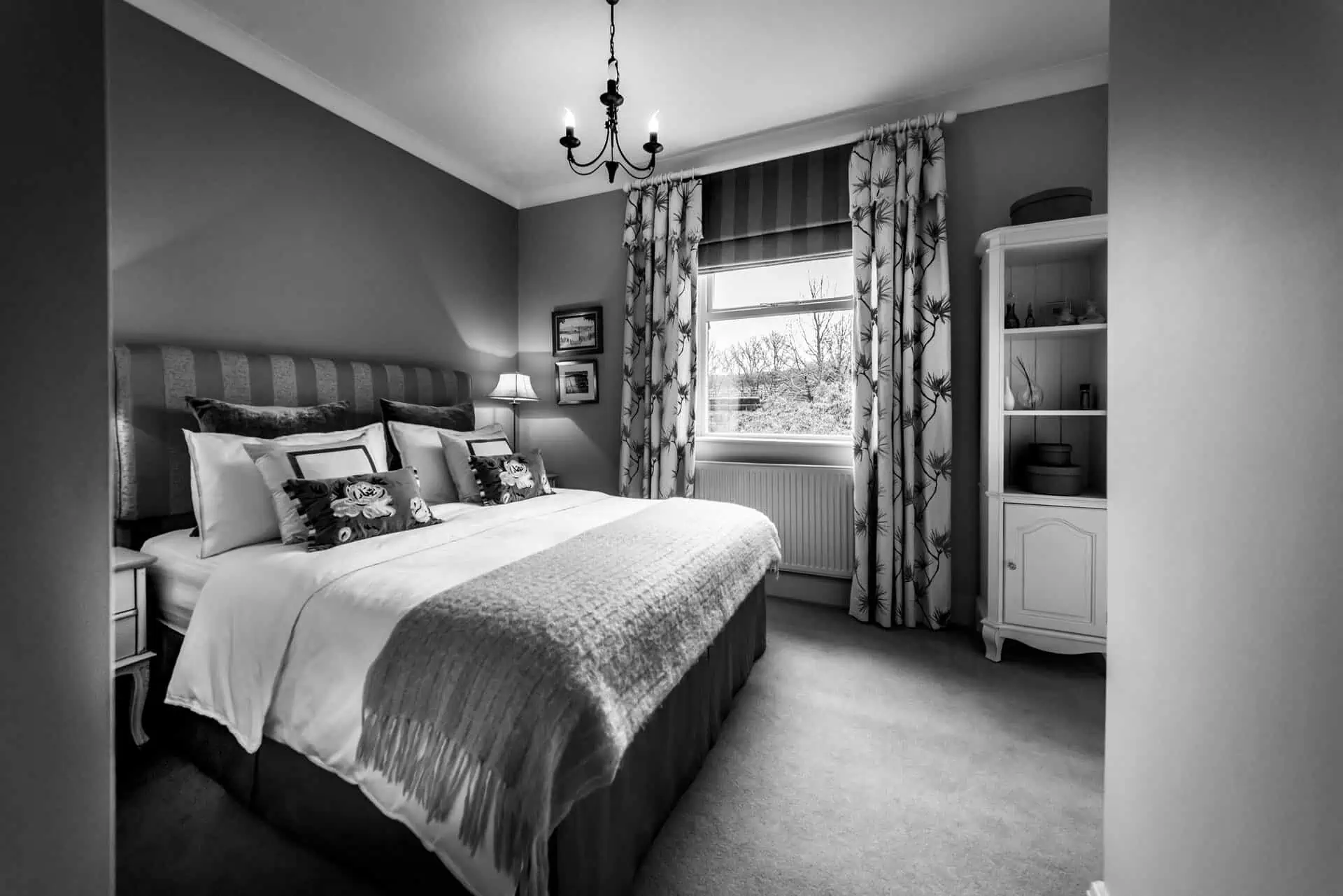
Lighting profoundly affects interior photography by defining the mood, highlighting textures, and demonstrating how a space functions throughout the day. A skilled interiors photographer will expertly balance natural ambient light with subtle artificial lighting to create a warm, inviting, and true-to-life representation of the room.
One of the biggest challenges in residential interiors photography is managing mixed lighting situations, such as bright sunlight streaming through a window while interior tungsten lamps are illuminated. Professional photographers use advanced techniques, including exposure bracketing and strategic strobe placement, to ensure that both the view outside the window and the details inside the room are perfectly exposed. This level of technical mastery ensures the designer’s vision is accurately portrayed.
Why Is Composition Crucial in Capturing Interiors?
Composition is crucial because it dictates how the viewer’s eye moves through the photograph, establishing the flow and spatial relationship between different elements in the room. Careful composition highlights architectural features, bespoke furniture, and the overall harmony of the design.
A professional will take the time to find the perfect angles, often shooting straight-on (one-point perspective) to emphasize symmetry or at dynamic angles to showcase depth. They also pay meticulous attention to styling—adjusting pillows, aligning chairs, and ensuring vertical lines (like walls and door frames) remain perfectly straight, which is a hallmark of high-end architectural and interior photography.
What Should You Prepare Before an Interiors Photoshoot?
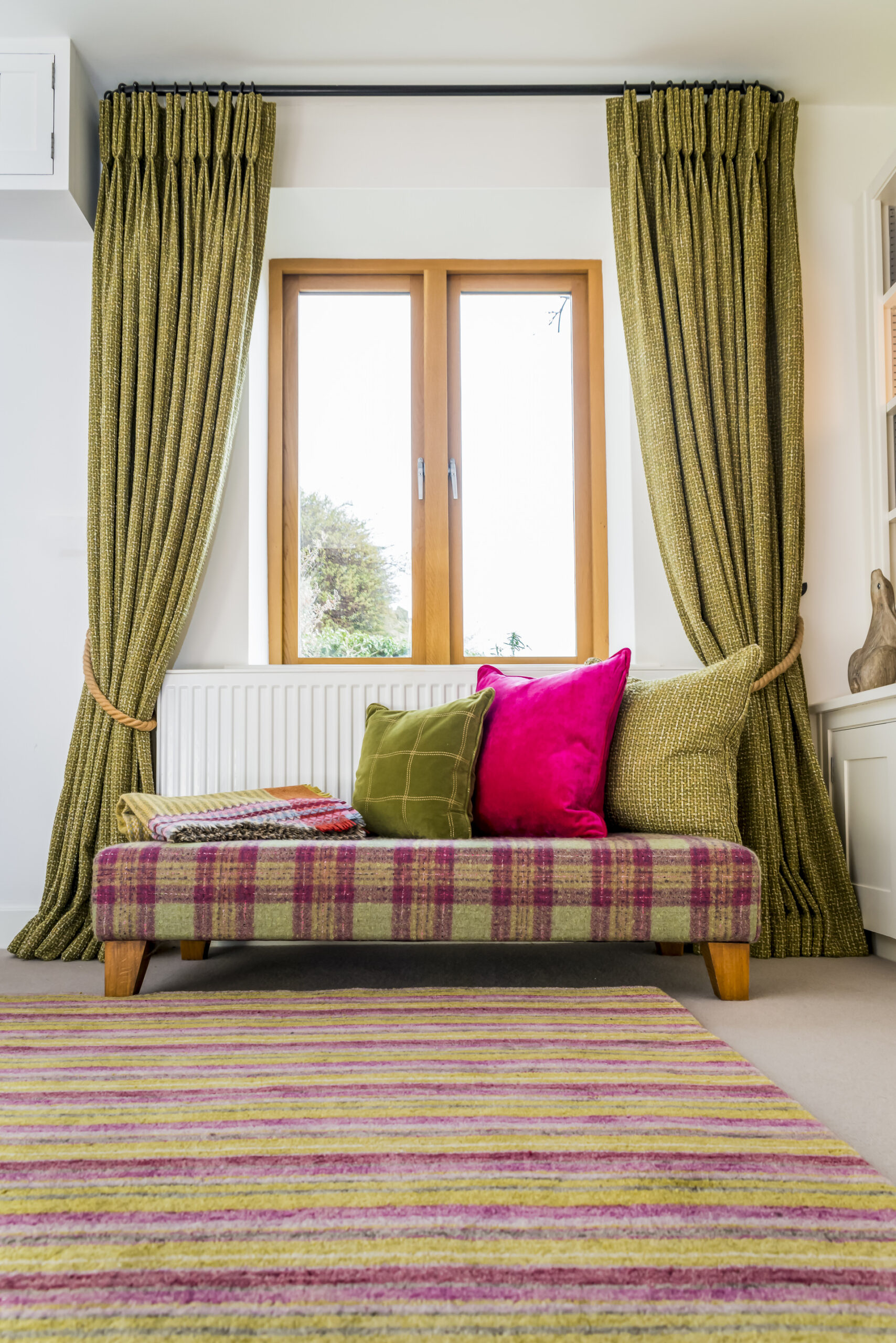
Before an interiors photoshoot, you should thoroughly clean and declutter the space, finalize all styling details (such as fresh flowers or curated books), and create a clear shot list outlining the specific rooms and architectural details that must be captured.
Collaboration between the designer and the photographer is key. Discussing the “hero” elements of the room—whether it’s a custom-built fireplace, unique lighting fixtures, or bespoke joinery—ensures the photographer focuses their attention appropriately. Preparing the space meticulously minimizes disruptions on the shoot day and allows the photographer to focus entirely on lighting and composition.
How Does Professional Photography Benefit Your Portfolio?
Professional photography benefits your portfolio by elevating your brand’s perceived value, building trust with prospective clients, and providing high-quality assets for publication in design magazines and across social media platforms.
In today’s digital landscape, potential clients in Yorkshire and beyond will almost certainly evaluate your work online before making contact. Striking, professionally captured images of your residential projects act as a silent salesperson, demonstrating your expertise and attention to detail far more effectively than words alone.
Frequently Asked Questions
What is the difference between real estate and interiors photography?
Real estate photography is typically fast-paced and focused on showing the size and layout of a property to sell it quickly. Interiors photography is slower, more deliberate, and focused on capturing the mood, design details, and craftsmanship for a designer’s portfolio.
Do I need to hire a stylist for the photoshoot?
While some photographers offer light styling, hiring a professional interior stylist is highly recommended for high-end shoots. They bring props and a trained eye to elevate the space specifically for the camera.
How many final images can I expect from a full-day shoot?
Because of the meticulous lighting and composition required, a full-day residential interiors shoot typically yields between 10 to 15 highly polished, magazine-quality images.
Can you photograph small or dark residential spaces?
Yes, professional interiors photographers have the equipment and expertise to make small spaces look expansive and to beautifully illuminate dark rooms without losing their intended atmosphere.
Are the images ready for magazine publication?
Yes, the final delivered images are high-resolution and professionally retouched, making them perfectly suitable for editorial submissions to interior design and lifestyle magazines.