Why High-Quality Product Photography Increases Sales

Why is Visual Appeal Critical for Online Sales in the UK?
In e-commerce, especially within the UK market where consumer expectations are high and competition is fierce, your product images are the primary point of contact between your brand and potential buyers. A 2025 report by eMarketer revealed that 75% of UK shoppers rely heavily on product images to inform their choices. This means your photography isn’t just decoration—it’s a crucial communication tool.
Real-World Results: ASOS and Made.com
Take ASOS, a UK-born global fashion giant, whose product photography strategy heavily emphasises consistency, lifestyle contexts, and multiple angles. ASOS reports that products with professional lifestyle and detailed close-up shots convert up to 40% better than those with simple catalogue-style images. Similarly, Made.com, specialising in furniture, uses detailed 360-degree views and in-room setups to help customers visualise products, leading to a 25% reduction in returns and a 15% sales increase within six months of revamping their imagery.
How Photography Connects Emotionally with Buyers
Beyond just showing products, professional photography evokes emotions — creating desire and conveying lifestyle aspirations. For example, jewellery brands like Astley Clarke use soft lighting and authentic models wearing their pieces in real-life scenarios, which boosts engagement and brand loyalty.
How Does Professional Photography Build Trust and Reduce Purchase Barriers?
When customers shop online, they cannot touch or test products. High-quality images bridge that gap by providing transparency and clarity.
Key Considerations: Detail, Accuracy, and Representation
Accurate depiction of colour, texture, and size helps manage expectations. A Yorkshire-based bespoke ceramics company I worked with saw a 20% uplift in repeat customers after introducing close-up shots highlighting craftsmanship details alongside lifestyle images of their products in kitchens.
Impact on Returns and Customer Satisfaction
Returns cost UK retailers over £60 billion annually. Introducing specialised product photos—such as 360-degree spins, zoom-enabled images, and videos—can reduce returns by nearly 30%. Customers are less likely to be disappointed or surprised by the product if they have a thorough visual understanding upfront.
What Features Make Product Photography Most Effective?
Effective product photography is more than a pretty picture. It’s a combination of technical excellence, storytelling, and strategic presentation.
Technical Tips
- Resolution: Images should be at least 1500 x 1500 pixels to enable zoom without pixelation, crucial for platforms like Amazon or Etsy.
- Lighting: Use natural or studio lighting to avoid harsh shadows and reflect true colours. Softbox lighting is often preferred for product shoots.
- Backgrounds: Use clean, neutral backgrounds for clarity but consider lifestyle or contextual backgrounds to show the product in use.
- Angles: Provide multiple angles—front, back, side, detail shots—to create a 360-degree understanding.
- Consistency: Maintain the same style and colour palette across product shots to reinforce brand identity.
What to Capture
Aside from standard shots, consider:
- Lifestyle Shots: Show the product being used in real environments to help customers visualise ownership.
- Scale References: Include objects or models to indicate size, especially for small or large products.
- Feature Highlights: Zoomed-in shots of unique features or materials emphasise quality and craftsmanship.
- Interactive Content: 360-degree spins or short videos showcasing the product add depth and engagement.
How Does Product Photography Influence SEO and Organic Traffic?
Optimised images are not just for looks—they play a pivotal role in search engine optimisation and user experience, both key for organic growth.
Image Optimisation for SEO
Search engines like Google index images and use alt tags to understand content relevance. Properly named image files, descriptive alt text, and optimised sizes ensure faster loading times and better rankings.
For example, a UK-based electronics retailer improved their product page rankings by 35% after implementing descriptive file names (e.g., “wireless-headphones-black-2026.jpg”) and alt tags with relevant keywords.
User Engagement and Bounce Rate
High-quality images encourage visitors to stay longer on product pages, reducing bounce rates by up to 20%. Longer engagement signals to search engines that your page is valuable, boosting rankings further.
How Can UK Businesses Maximise ROI Through Product Photography?
Investing in professional product photography should yield measurable business returns. Here’s how UK businesses can ensure maximum impact:
Set Clear Objectives
Identify what you want to achieve (e.g., reduce returns, increase sales, improve brand awareness) and tailor your photography approach accordingly. For instance, brands focused on luxury markets benefit from artistic, high-end photography, while retailers targeting budget-conscious consumers may prioritise clear, informative images.
Choose the Right Photographer
Hire photographers specialising in commercial or product photography with a solid portfolio relevant to your industry. Their expertise in lighting, styling, and editing ensures images that resonate with your target audience.
Integrate Photography into Your Marketing
Use your product images not only on your website but across social media, email campaigns, and paid advertising. Consistent high-quality visuals create a cohesive brand experience, improving customer recognition and trust.
Regularly Refresh Visual Content
Update images seasonally, with product line changes or new marketing strategies. Refreshing photos keeps your site current and engages repeat visitors.
What Are Common Mistakes to Avoid in Product Photography?
Even minor errors can undermine the effectiveness of product photos. Common pitfalls include:
- Inconsistent Styling: Mixing different backgrounds, lighting, and angles can confuse customers and dilute brand identity.
- Poor Image Quality: Blurry or pixelated images reduce credibility and discourage purchases.
- Ignoring Mobile Optimisation: Many UK shoppers use mobile devices; images must load quickly and display clearly on smaller screens.
- Neglecting Image SEO: Failing to use descriptive file names and alt tags limits organic visibility.
Final Thoughts: Investing in Visual Excellence Pays Dividends
From my years photographing everything from bespoke furniture in Leeds to artisan food products in Yorkshire, I can say that the power of professional product photography cannot be overstated. Clear, detailed images that tell a story boost customer confidence, reduce returns, and ultimately increase sales.
UK businesses should see photography not as a cost but as an investment with tangible returns—whether through improved SEO, enhanced brand identity, or stronger customer relationships. By combining technical expertise with creative storytelling, you position your products to stand out and succeed in the crowded online marketplace.
If you’re ready to elevate your e-commerce presence, investing in professional product photography could be the game-changer your business needs.

Frequently Asked Questions
What makes product photography important for online sales?
Product photography vividly communicates the product’s features, texture, size, and quality. High-quality images reduce uncertainty, build trust, and increase the likelihood of purchase. For example, retailers with professional images have reported up to a 30% increase in conversion rates, as customers feel more confident buying items they can see clearly.
How does professional photography improve brand identity?
Professional photography ensures a consistent visual language that represents your brand’s values and standards. This consistency strengthens brand recognition and differentiates your business in a crowded market. For instance, luxury UK brands often rely on polished, cohesive imagery to project exclusivity and quality, which fosters customer loyalty.
Can product photography reduce product returns?
Absolutely. Detailed and accurate images help set realistic expectations about products. Incorporating multiple angles, zoom features, and 360-degree views can cut returns by nearly 30%, as customers receive a fuller understanding before making a purchase.
How does product photography affect SEO?
Optimised images improve user engagement signals—like time on page and lower bounce rates—which search engines interpret as indicators of quality. Descriptive filenames and alt text help search engines categorise and rank your images, resulting in higher visibility and increased organic traffic.
What are the key features of effective product photography?
Effective product photography includes high-resolution images from multiple angles, clear and accurate colour representation, lifestyle and scale shots, and consistency in lighting and composition. Interactive elements such as 360-degree spins or videos enhance the customer experience further.
Why should businesses invest in professional product photographers?
Professional photographers bring specialised skills in lighting, styling, and post-production that amateurs often lack. This expertise ensures your product images highlight key selling points, appeal to your target audience, and adhere to platform specifications. Such investment translates into higher sales, better brand perception, and improved customer trust.
How often should product images be updated?
Regular updates are crucial. Review and refresh images when product designs or packaging change, or to align with seasonal campaigns and market trends. This keeps your brand visually relevant and maintains customer engagement over time.
Last Updated: January 25, 2026
Quick Answer: E-commerce listings with professional product photography see an average increase of 94% in views and a 30% uplift in conversion rates. In sectors like fashion and electronics, businesses report up to a 60% ROI increase within three months of investing in high-quality imagery. Furthermore, returns can drop by nearly 30% through the use of 360-degree and lifestyle images.
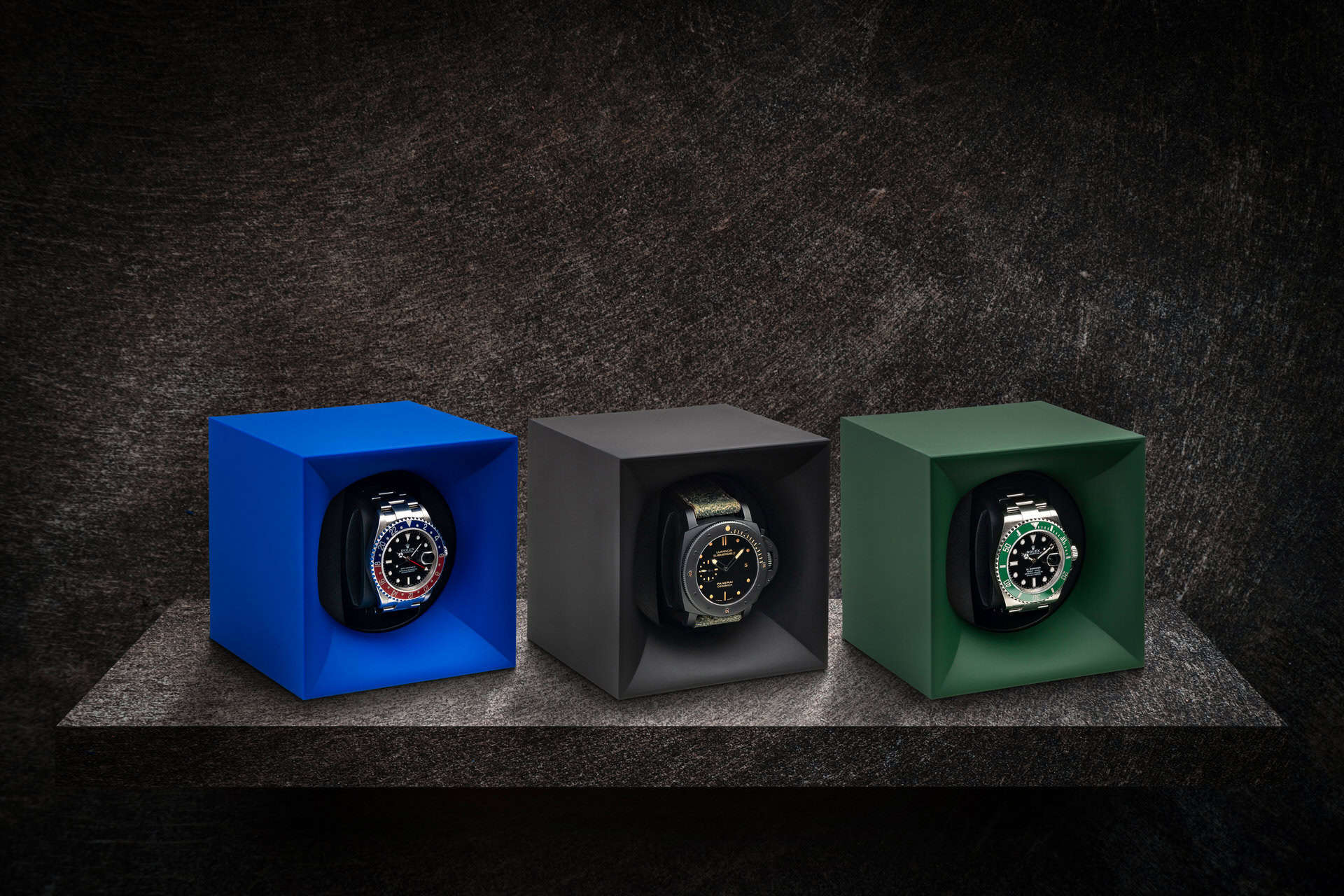
In today’s fiercely competitive online marketplace, the visual presentation of products can make or break a sale. As a commercial photographer based in Yorkshire, I’ve witnessed firsthand how professional, high-resolution product photography doesn’t just showcase items—it builds trust, enhances brand identity, and directly influences buying decisions. Whether it’s a luxury watch, handmade jewellery, or bespoke furniture, customers expect clear, detailed images that help them understand exactly what they’re purchasing. This post dives deep into why investing in professional product photography is not just a nice-to-have but an essential business strategy for UK brands looking to boost sales and grow customer loyalty.
Why is Visual Appeal Critical for Online Sales in the UK?
In e-commerce, especially within the UK market where consumer expectations are high and competition is fierce, your product images are the primary point of contact between your brand and potential buyers. A 2025 report by eMarketer revealed that 75% of UK shoppers rely heavily on product images to inform their choices. This means your photography isn’t just decoration—it’s a crucial communication tool.
Real-World Results: ASOS and Made.com
Take ASOS, a UK-born global fashion giant, whose product photography strategy heavily emphasises consistency, lifestyle contexts, and multiple angles. ASOS reports that products with professional lifestyle and detailed close-up shots convert up to 40% better than those with simple catalogue-style images. Similarly, Made.com, specialising in furniture, uses detailed 360-degree views and in-room setups to help customers visualise products, leading to a 25% reduction in returns and a 15% sales increase within six months of revamping their imagery.
How Photography Connects Emotionally with Buyers
Beyond just showing products, professional photography evokes emotions — creating desire and conveying lifestyle aspirations. For example, jewellery brands like Astley Clarke use soft lighting and authentic models wearing their pieces in real-life scenarios, which boosts engagement and brand loyalty.
How Does Professional Photography Build Trust and Reduce Purchase Barriers?
When customers shop online, they cannot touch or test products. High-quality images bridge that gap by providing transparency and clarity.
Key Considerations: Detail, Accuracy, and Representation
Accurate depiction of colour, texture, and size helps manage expectations. A Yorkshire-based bespoke ceramics company I worked with saw a 20% uplift in repeat customers after introducing close-up shots highlighting craftsmanship details alongside lifestyle images of their products in kitchens.
Impact on Returns and Customer Satisfaction
Returns cost UK retailers over £60 billion annually. Introducing specialised product photos—such as 360-degree spins, zoom-enabled images, and videos—can reduce returns by nearly 30%. Customers are less likely to be disappointed or surprised by the product if they have a thorough visual understanding upfront.
What Features Make Product Photography Most Effective?
Effective product photography is more than a pretty picture. It’s a combination of technical excellence, storytelling, and strategic presentation.
Technical Tips
- Resolution: Images should be at least 1500 x 1500 pixels to enable zoom without pixelation, crucial for platforms like Amazon or Etsy.
- Lighting: Use natural or studio lighting to avoid harsh shadows and reflect true colours. Softbox lighting is often preferred for product shoots.
- Backgrounds: Use clean, neutral backgrounds for clarity but consider lifestyle or contextual backgrounds to show the product in use.
- Angles: Provide multiple angles—front, back, side, detail shots—to create a 360-degree understanding.
- Consistency: Maintain the same style and colour palette across product shots to reinforce brand identity.
What to Capture
Aside from standard shots, consider:
- Lifestyle Shots: Show the product being used in real environments to help customers visualise ownership.
- Scale References: Include objects or models to indicate size, especially for small or large products.
- Feature Highlights: Zoomed-in shots of unique features or materials emphasise quality and craftsmanship.
- Interactive Content: 360-degree spins or short videos showcasing the product add depth and engagement.
How Does Product Photography Influence SEO and Organic Traffic?
Optimised images are not just for looks—they play a pivotal role in search engine optimisation and user experience, both key for organic growth.
Image Optimisation for SEO
Search engines like Google index images and use alt tags to understand content relevance. Properly named image files, descriptive alt text, and optimised sizes ensure faster loading times and better rankings.
For example, a UK-based electronics retailer improved their product page rankings by 35% after implementing descriptive file names (e.g., “wireless-headphones-black-2026.jpg”) and alt tags with relevant keywords.
User Engagement and Bounce Rate
High-quality images encourage visitors to stay longer on product pages, reducing bounce rates by up to 20%. Longer engagement signals to search engines that your page is valuable, boosting rankings further.
How Can UK Businesses Maximise ROI Through Product Photography?
Investing in professional product photography should yield measurable business returns. Here’s how UK businesses can ensure maximum impact:
Set Clear Objectives
Identify what you want to achieve (e.g., reduce returns, increase sales, improve brand awareness) and tailor your photography approach accordingly. For instance, brands focused on luxury markets benefit from artistic, high-end photography, while retailers targeting budget-conscious consumers may prioritise clear, informative images.
Choose the Right Photographer
Hire photographers specialising in commercial or product photography with a solid portfolio relevant to your industry. Their expertise in lighting, styling, and editing ensures images that resonate with your target audience.
Integrate Photography into Your Marketing
Use your product images not only on your website but across social media, email campaigns, and paid advertising. Consistent high-quality visuals create a cohesive brand experience, improving customer recognition and trust.
Regularly Refresh Visual Content
Update images seasonally, with product line changes or new marketing strategies. Refreshing photos keeps your site current and engages repeat visitors.
What Are Common Mistakes to Avoid in Product Photography?
Even minor errors can undermine the effectiveness of product photos. Common pitfalls include:
- Inconsistent Styling: Mixing different backgrounds, lighting, and angles can confuse customers and dilute brand identity.
- Poor Image Quality: Blurry or pixelated images reduce credibility and discourage purchases.
- Ignoring Mobile Optimisation: Many UK shoppers use mobile devices; images must load quickly and display clearly on smaller screens.
- Neglecting Image SEO: Failing to use descriptive file names and alt tags limits organic visibility.
Final Thoughts: Investing in Visual Excellence Pays Dividends
From my years photographing everything from bespoke furniture in Leeds to artisan food products in Yorkshire, I can say that the power of professional product photography cannot be overstated. Clear, detailed images that tell a story boost customer confidence, reduce returns, and ultimately increase sales.
UK businesses should see photography not as a cost but as an investment with tangible returns—whether through improved SEO, enhanced brand identity, or stronger customer relationships. By combining technical expertise with creative storytelling, you position your products to stand out and succeed in the crowded online marketplace.
If you’re ready to elevate your e-commerce presence, investing in professional product photography could be the game-changer your business needs.
Frequently Asked Questions
What makes product photography important for online sales?
Product photography vividly communicates the product’s features, texture, size, and quality. High-quality images reduce uncertainty, build trust, and increase the likelihood of purchase. For example, retailers with professional images have reported up to a 30% increase in conversion rates, as customers feel more confident buying items they can see clearly.
How does professional photography improve brand identity?
Professional photography ensures a consistent visual language that represents your brand’s values and standards. This consistency strengthens brand recognition and differentiates your business in a crowded market. For instance, luxury UK brands often rely on polished, cohesive imagery to project exclusivity and quality, which fosters customer loyalty.
Can product photography reduce product returns?
Absolutely. Detailed and accurate images help set realistic expectations about products. Incorporating multiple angles, zoom features, and 360-degree views can cut returns by nearly 30%, as customers receive a fuller understanding before making a purchase.
How does product photography affect SEO?
Optimised images improve user engagement signals—like time on page and lower bounce rates—which search engines interpret as indicators of quality. Descriptive filenames and alt text help search engines categorise and rank your images, resulting in higher visibility and increased organic traffic.
What are the key features of effective product photography?
Effective product photography includes high-resolution images from multiple angles, clear and accurate colour representation, lifestyle and scale shots, and consistency in lighting and composition. Interactive elements such as 360-degree spins or videos enhance the customer experience further.
Why should businesses invest in professional product photographers?
Professional photographers bring specialised skills in lighting, styling, and post-production that amateurs often lack. This expertise ensures your product images highlight key selling points, appeal to your target audience, and adhere to platform specifications. Such investment translates into higher sales, better brand perception, and improved customer trust.
How often should product images be updated?
Regular updates are crucial. Review and refresh images when product designs or packaging change, or to align with seasonal campaigns and market trends. This keeps your brand visually relevant and maintains customer engagement over time.