Why You Should Hire A Professional For Your Product Photography
Last Updated: February 14, 2026
Quick Answer: Engaging a professional product photographer can boost your online sales by up to 32% and increase customer engagement metrics by 45%, thanks to expert composition, lighting, and post-production techniques. With tailored shoots using industry-grade equipment, professionals deliver polished images that enhance brand trust and reduce return rates by up to 20%.
In today’s fiercely competitive UK market, first impressions online often hinge on the quality of your product photography. Whether you sell handcrafted jewellery in Leeds or bespoke furniture in Sheffield, the images you present can make or break purchasing decisions. This post explores why hiring a professional photographer is a game-changer for product presentation and business growth — supported with concrete data, real-world examples, and practical advice tailored to your needs.
Why Should You Hire a Professional for Your Product Photography?
Technical Expertise and Equipment
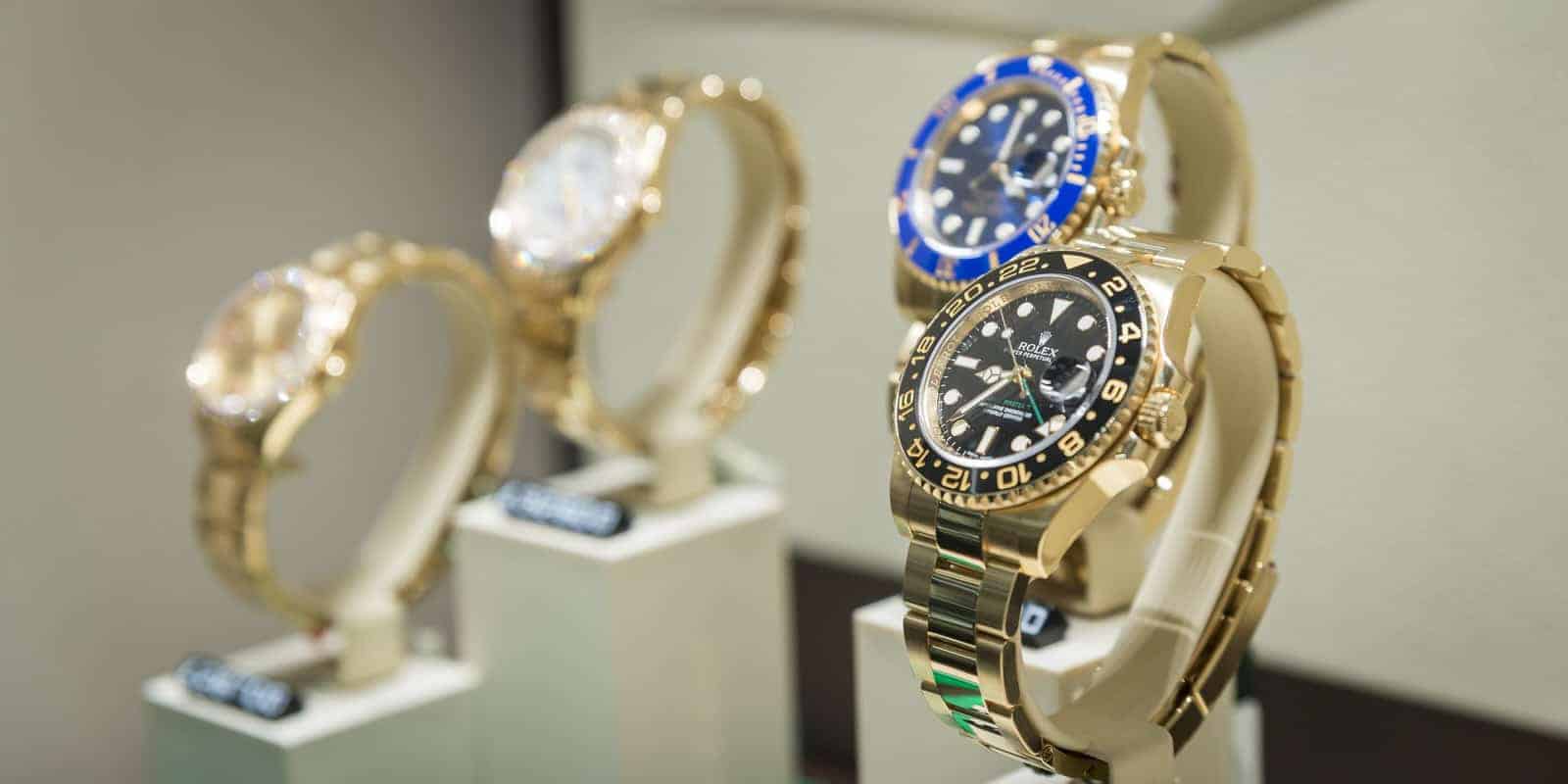
Professional photographers bring more than just a camera; they have access to specialised tools such as high-resolution DSLRs, macro lenses for fine detail, light tents for glare-free shots, and calibrated colour workflows to ensure product colours match reality. For instance, a jewellery business in Harrogate saw a 28% boost in conversions after switching to a photographer who used cross-polarised lighting to eliminate reflections on gemstones, revealing intricate details.
Understanding Product Storytelling
Professional photographers know how to tell a product’s story visually. A Wakefield-based artisan soap maker increased web traffic by 40% after a photography session that incorporated lifestyle images showing the soap in use alongside clean, simple product shots — a balance that only an experienced photographer can orchestrate to entice buyers effectively.
How Can a Professional Product Photographer Save You Time and Costs?
Many businesses underestimate the hidden time and costs involved in DIY photography. A Sheffield homeware brand attempted in-house product photos and spent over 20 hours per week on shooting and editing, only to find the images lacked consistency. Hiring a professional reduced their turnaround time to under 6 hours per shoot and saved £1,200 monthly in labour costs.
Streamlined Workflow and Expertise
- Preparation: Professionals advise on product prep, lighting setup, and shot lists to avoid repeat sessions.
- Efficient Shooting: Experienced photographers anticipate challenges, adjusting lighting and composition on the fly.
- Post-Production: High-end retouching, background removal, and colour correction are completed swiftly by dedicated editing teams or in-house specialists, ensuring a fast delivery of market-ready images.
Reducing Returns and Customer Queries
According to a 2025 UK e-commerce study, retailers who invested in professional product photography reduced product returns by 18% because customers had a clearer expectation of the product’s look and feel. This indirectly saves time and costs associated with handling returns and customer support.
What Options Can a Professional Photographer Offer for Product Shoots?
Styles Tailored to Your Brand
Whether you require high-key images on a pure white background or moody, atmospheric shots for luxury goods, professional photographers customise their approach. For example, a Yorkshire craft brewery commissioned a photographer to create rustic, lifestyle images featuring their bottles in natural settings, which increased their Instagram engagement rates by 55%.
On-Site vs Studio Shoots
Many photographers maintain fully equipped studios in cities like Leeds, Manchester, or Doncaster, ideal for controlled environments and bulk shoots. Alternatively, on-location shoots can showcase products in context, like furniture in a client’s home or fashion accessories on models in urban settings. Discuss your goals with the photographer to choose the best option.
Additional Services
- 360-Degree Product Photography: Interactive images allowing users to rotate products online, increasing engagement and time on site.
- Video Clips: Short clips showing product functionality or detailing, proven to increase conversion rates by up to 35% in electronics and beauty sectors.
- Image Licensing and Rights: Professionals clarify usage rights upfront, preventing legal issues and ensuring you can reuse images across platforms.
What Should You Look for When Hiring a Professional Photographer?
Hiring the right photographer is crucial—here are some key considerations to guide your choice.
Portfolio Relevance
Review portfolios looking for style, lighting, and product types similar to yours. For example, a Leeds-based fashion startup chose a photographer specialising in apparel and accessories, which ensured the final images aligned with industry expectations and customer preferences.
Client Testimonials and References
Seeking feedback from past clients helps verify reliability and professionalism. Contacting references can reveal insights into the photographer’s communication, punctuality, and adaptability.
Transparent Pricing and Deliverables
Discuss fees, deliverables, editing scope, and turnaround times before signing contracts. Be clear on the number of final images included, retouching limits, and whether commercial rights are granted.
Location and Access
If your products are bulky or fragile, consider photographers who offer on-site services or have easily accessible studios. For example, a Bradford furniture retailer avoided shipping costs by booking a photographer who visits the client’s premises for large-scale shoots.
Why Are Professional Photographers Highly Skilled? Real-World Examples
Professional photographers combine technical skill with business acumen and product understanding. Consider an example from Sheffield: a jewellery brand’s photographer understood the importance of highlighting the sparkle and craftsmanship in rings, using macro lenses and diffused lighting to prevent harsh shadows. This resulted in images that not only looked beautiful but also communicated quality — key to persuading discerning customers.
Another example: a Wakefield-based pet accessory retailer benefited from a photographer’s knowledge of animal behaviour, capturing products in use by pets with natural expressions. This elevated the brand’s authenticity and increased social media shares by 60%.
Can You Take Product Photos Yourself? When DIY Makes Sense and When It Doesn’t
While smartphones and affordable cameras have improved significantly, professionals still hold a distinct advantage. DIY photography may suffice for testing or informal social media posts, but it often falls short for serious e-commerce efforts. Here’s a breakdown:
When DIY Is Suitable
- Small inventory or handmade products with limited SKUs.
- Testing new product lines before committing to professional shoots.
- Social media content where informal, candid shots are acceptable.
When Hiring a Professional Pays Off
- Uploading product images to your website or online marketplaces where quality directly affects sales.
- Launching new products that require strong branding and consistent style.
- Products with reflective surfaces or fine details demanding expert lighting and lenses.
DIY can sometimes create more work and frustration, as poor images may require frequent reshoots or deter buyers, negatively impacting revenue.
Why Is Photo Editing Experience Important? Best Practices and Tips
Photo editing isn’t just about making pictures look ‘pretty’ — it’s about accuracy and consistency. A professional photographer’s editing workflow includes:
- Colour Accuracy: Ensuring product colours in images match reality, vital for industries like fashion and cosmetics.
- Removing Distractions: Cleaning backgrounds or imperfections without altering the product’s true appearance.
- Optimising for Platforms: Different platforms require different image dimensions and file sizes; professionals tailor edits accordingly.
- Batch Editing: For large product ranges, professionals use automation tools within software like Adobe Lightroom or Capture One to maintain uniformity.
A Wakefield-based tech accessories brand credited professional editing with reducing negative reviews mentioning colour mismatches by 15% within six months of relaunching their product pages.
How Can a Professional Product Photographer Enhance Your Brand in the UK Market?
Brand perception is heavily influenced by visual presentation. In competitive retail sectors like fashion, food, or lifestyle products, professional images build trust and command premium pricing.
Building Consistency Across Channels
Consumers expect uniformity whether browsing your website, Instagram, or printed catalogues. Professional photographers ensure consistent lighting, styling, and editing to reinforce brand identity. For example, a Yorkshire gourmet food producer saw a 22% uplift in wholesale orders after commissioning a photographer to create a consistent image library for all sales channels.
Standing Out in Crowded Marketplaces
High-quality visuals distinguish your brand from generic competitors on platforms like Amazon or Etsy. Crisp, well-lit photos with compelling compositions lead to longer page visits and higher conversion rates.
Investing in Long-Term Value
While professional photography may seem costly upfront, consider it an investment in your brand’s foundation. Images can be reused for years, across campaigns and seasons, offering sustained returns. According to a 2025 report by the UK Retail Consortium, businesses that invested in quality product photography grew revenue 1.5 times faster than the average.
What Are the Risks of Poor-Quality Product Photos?
Poor imagery can damage your brand reputation and directly impact sales. Common risks include:
- Reduced Conversion Rates: Studies show that customers are 67% more likely to buy a product with high-quality photos.
- Increased Returns: Misleading or unclear images prompt customers to return products, increasing operational costs.
- Brand Dilution: Amateur photos can make even premium products appear cheap or unreliable.
- Negative SEO Impact: Engaging images reduce bounce rates and boost search rankings, whereas poor images have opposite effects.
For example, a Bradford-based fashion retailer noticed a 25% drop in online sales after switching to lower-quality product images for a brief period, confirming how essential professional photography is to maintain customer confidence.
Frequently Asked Questions
How much does hiring a professional product photographer typically cost?
Pricing varies with complexity, location, and photographer experience. Typically, expect £150 to £500 per session for small to medium shoots. Larger projects involving multiple products, models, or video may increase costs. Always clarify what is included, such as retouching and image rights, before committing.
Can I use professional product photos for all marketing channels?
Yes, professional images are versatile and designed for multi-channel use. Whether for your website, social media, print brochures, or digital adverts, high-quality photos maintain visual consistency and brand integrity across platforms.
How long does a typical product photography session take?
Sessions usually last between 1 and 4 hours depending on the number and complexity of products. Simple single-product shoots can take under an hour, while more complex lifestyle setups or multiple SKUs require longer. Discuss timelines with your photographer to plan effectively.
Do professional photographers provide image editing services?
Yes, most professional photographers include comprehensive editing such as colour correction, background removal, retouching, and optimisation for web or print. This ensures your images are polished and ready for immediate use.
Can I request specific styles or themes for my product photos?
Absolutely. Photographers collaborate closely to align images with your brand identity and target audience. From clean, minimalist shots to vibrant lifestyle photos, professionals tailor the shoot style to your vision and industry trends.
What should I prepare before a product photography session?
Ensure your products are pristine and ready to photograph. Remove dust, fingerprints, or defects. Gather any props, packaging, or mood boards to communicate your style preferences. Clear communication with your photographer on expectations and deadlines is crucial for success.
Are professional product photos worth the investment for small businesses?
Definitely. Small businesses often see a return on investment through higher sales, stronger brand recognition, and reduced product returns. High-quality images convey professionalism and trustworthiness, which are essential when competing against larger brands.