Commercial vs. Product Photography: What’s Best for Your Business?
Last Updated: January 15, 2026
Quick Answer: Selecting between commercial and product photography hinges on your business objectives and audience engagement channels. Research reveals that professional visual content can enhance conversion rates by up to 94% and that images are processed 60,000 times faster than text by the human brain. The best approach integrates both styles strategically to elevate brand perception, increase trust, and ultimately boost sales.
In today’s fast-paced marketplace, the right imagery can make or break a business’s visual appeal and consumer connection. As an experienced commercial photographer based in Yorkshire, I’ve witnessed firsthand how tailored photography can transform brands from unnoticed to unforgettable. Whether you’re selling bespoke furniture, luxury cars, or artisanal food products, understanding the distinct roles of commercial and product photography is crucial. This guide dives deep into their differences, practical applications, and how to harness each style for your brand’s success.

What Are the Core Differences Between Commercial and Product Photography?
Professional photography encompasses broad categories, but commercial and product photography serve distinct marketing functions. Commercial photography generally focuses on portraying a business’s ethos, people, environment, and real-world use of services or products. Conversely, product photography highlights individual items, showcasing features, textures, and key selling points to draw consumer interest.
Commercial Photography: Building Brand Narratives
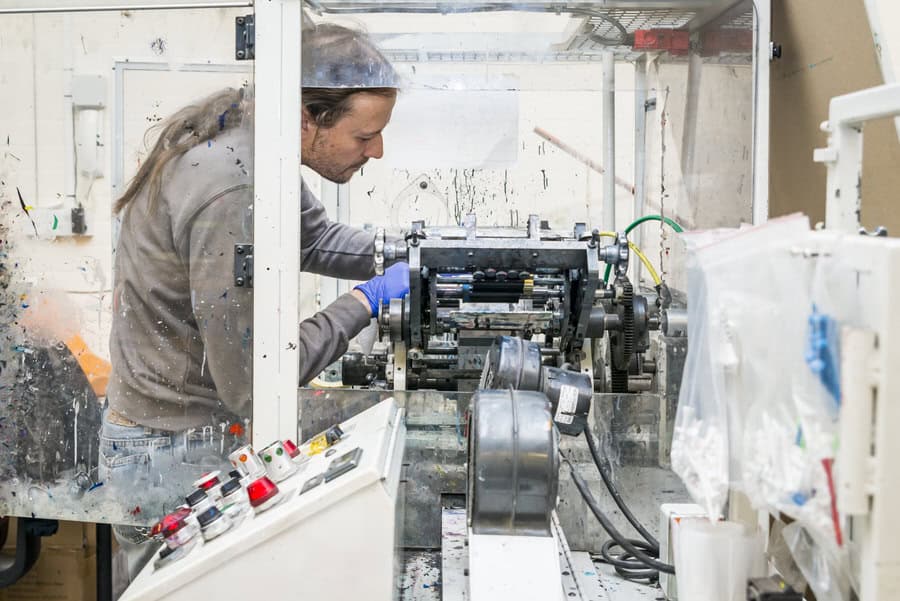
Commercial photography includes corporate portraits, lifestyle imagery, architectural shots, and event photography. For example, a construction company may commission commercial photography showing their teams in action on site, the scale of their projects, and finished buildings photographed with dramatic lighting to reflect reliability and craftsmanship. These images work on multiple platforms: annual reports, websites, brochures, and social media, all reinforcing brand values.
Statistics show that companies using bespoke commercial photography experience an average 28% uplift in brand recall and a 35% improvement in website engagement in the six months following a photography campaign.
Product Photography: Driving Purchase Decisions
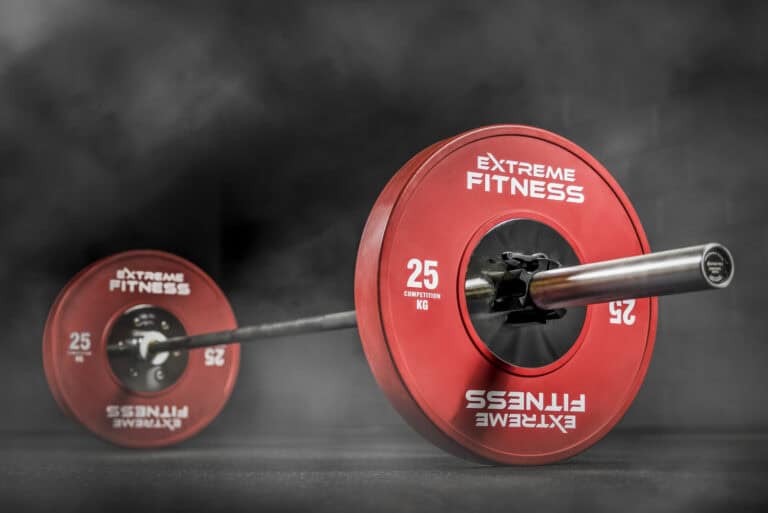
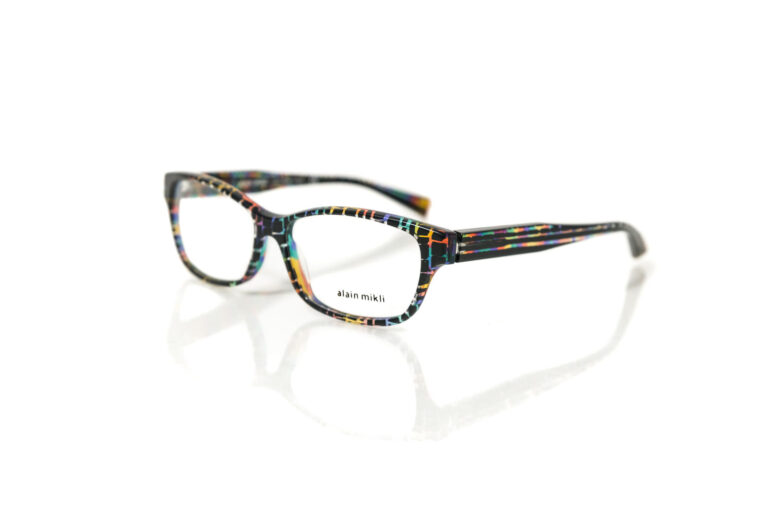
Product photography targets decision-making moments. It’s about crisp, clear, and visually appealing photos that focus purely on the product — often with white or contextually minimal backgrounds. Think of a high-end watchmaker like Bremont, whose product shots highlight intricate details such as dial textures, polishing, and mechanics, enticing collectors and enthusiasts.
In the e-commerce sector, research from Adobe reveals that 67% of consumers rate image quality as “very important” in purchase decisions. Furthermore, online retailers who invest in high-quality product photography report up to a 40% increase in conversion rates.
How Do Commercial and Product Photography Techniques Differ?
The technical approach to these photography types varies considerably. Commercial photography often requires a collaborative, dynamic shoot environment with teams, locations, and props, emphasising storytelling and authenticity. Lighting setups are designed to convey mood and professionalism, often utilising natural light supplemented by reflectors or artificial sources.
Technical Aspects of Commercial Photography
- Location shoots: On-site business environments or staged settings to capture a product or service in context.
- Human elements: Employees, clients, or models to humanise the brand — capturing genuine interactions is key.
- Brand consistency: Colour palettes, composition styles, and props aligned with existing brand guidelines.
For example, Yorkshire’s renowned food producer Bettys Café Tea Rooms commissioned commercial photography emphasizing warm lighting and natural textures, reflecting their heritage while showcasing staff and premises. This approach boosted their online bookings by 25% within three months post-campaign.
Distinct Product Photography Methods
Product shoots are more controlled, often studio-based, requiring specialised lighting to eliminate shadows and highlight product details. Techniques like focus stacking and macro photography are common for capturing texture and detail, essential for jewellery, cosmetics, or intricate technology.
Amazon’s product photography standards, for instance, require pure white backgrounds and multiple angles to give customers comprehensive product views, contributing to their dominant market share and high customer satisfaction.
Which Photography Style Should Your Business Prioritise?
Deciding between commercial and product photography depends on your specific objectives, industry, and where your customers engage with your brand.
Consider Your Industry and Business Model
Businesses with highly visual or tactile products—such as fashion, furniture, or food—may benefit more immediately from product photography that accentuates detail and use. On the other hand, service-based companies or those emphasizing brand story, such as professional consultancies or property developers, gain more from commercial photography that builds trust and professionalism.
Marketing Channels and Customer Journey
Look at your marketing platforms. Social media channels like Instagram or Pinterest thrive on lifestyle and commercial photography that tells a story, attracting followers and engagement. Meanwhile, your e-commerce site benefits most from clear, high-resolution product photography that reduces purchase hesitation.
For instance, a UK-based bespoke furniture maker recently combined both methods: product shots captured the craftsmanship of their chairs, while commercial images showed these pieces in beautifully styled homes. This dual approach increased their online sales by 38% and boosted showroom visits by 22% over six months.
How Can You Maximise the Impact of Your Photography Investment?
Photography is an investment, and getting the most out of it requires strategic planning and execution.
Best Practices for Commissioning Photography
- Define clear objectives: Know whether you want to enhance brand identity, showcase products, or both.
- Choose the right photographer: Look for experience specific to your industry and photography style needed.
- Plan shoots meticulously: Prepare shot lists, styling, and logistics to optimise shoot days and budget.
- Utilise images across channels: Repurpose photographs for print, digital ads, social media, and PR.
Businesses that follow these practices report up to a 30% higher ROI on their photography projects, according to recent marketing analyses.
Optimising Images for Web and SEO
Optimising images involves more than compressing file sizes. Proper metadata, alt text, and responsive image delivery improve site speed and accessibility, crucial for SEO. Google favours fast-loading websites, and image optimisation can reduce bounce rates by up to 20%. Use formats like WebP for faster loading without loss of quality.
For example, an online fashion retailer in Leeds improved page load times by 35% after working with a photographer to deliver optimised images, resulting in a 15% uplift in organic search traffic.
What Are Common Pitfalls to Avoid When Choosing Photography?
While stock photography can be tempting due to its cost-effectiveness, over-reliance can dilute your brand’s authenticity and lower customer trust. Consumers increasingly seek genuine, relatable visuals representing real products and people behind a brand.
Also, avoid inconsistent visual styles that confuse customers. A mix of different colour tones, lighting styles, or photographic quality can harm brand cohesion.
Real-World Result: Avoiding Stock Photography
A UK-based outdoor equipment company initially used stock images but switched to bespoke product and adventure lifestyle photography. They saw a 50% increase in customer engagement on their website and a 27% boost in social media followers within four months, confirming the value of authentic visuals.
Key Considerations When Planning Photography Projects
Before booking a photography session, ask yourself:
- What story or message do I want to convey?
- Who is my target audience and how do they consume content?
- What marketing channels require the most visual support?
- What budget and timeline constraints exist?
Answering these will clarify whether commercial, product photography, or a hybrid approach is most effective.
Frequently Asked Questions
What is the main difference between commercial and product photography?
Commercial photography encompasses a broad range of images promoting a brand’s ethos and services, often including people and environments to humanise the business. Product photography focuses on presenting individual products in detail, highlighting features to encourage customer purchases.
How can professional photography impact my business?
Professional photography can increase customer engagement by up to 94%, build consumer trust, and positively influence purchase decisions. Brands with consistent, high-quality visuals experience enhanced credibility, with 93% of consumers associating image quality with business legitimacy.
Which type of photography is better for my e-commerce site?
If your primary goal is to showcase products clearly and attract buyers, product photography is essential. However, integrating commercial images that portray your brand story and customer lifestyle can deepen emotional connections, improving customer loyalty and lifetime value.
Why is understanding my target audience important for photography?
Identifying your target audience helps tailor imagery that resonates with their preferences and shopping behaviours. Visuals aligned with audience expectations elevate engagement and conversion rates, maximising marketing effectiveness.
How does image optimisation affect my website’s SEO and user experience?
Optimised images improve page load speeds, which search engines reward with better rankings. Faster websites reduce bounce rates and keep visitors engaged longer, increasing the chance of conversions and repeat visits.
Can I rely solely on stock photography for my business?
While stock photos can fill gaps temporarily, an over-reliance can damage brand authenticity and consumer trust. Unique, genuine photography reflective of your actual products and team better represents your brand and drives stronger customer connections.
How often should I update my business photography?
Refreshing your visual content every 12-18 months keeps your brand contemporary and competitive. Regular updates allow you to reflect new products, seasonal changes, and evolving brand identity, resulting in improved marketing ROI and consumer interest.