Using Commercial Photography to Capture Architectural Projects
Last Updated: February 13, 2026
Quick Answer: UK commercial photographers specialising in architectural photography typically earn around £50,000 annually, with top specialists commanding up to £75,000+. A carefully curated portfolio of 20-25 high-quality images that balance overall, editorial, and detail shots can increase client conversion rates by up to 40%. Leveraging professional networks and targeting niche architectural sectors can boost portfolio opportunities and ROI significantly.
Architectural photography is a demanding yet rewarding niche within UK commercial photography. For photographers aiming to thrive in this sector, building an impressive, strategically curated portfolio is paramount. It’s not just about capturing buildings — it’s about telling a story through visual artistry that resonates with clients, be they developers, architects, or heritage organisations. In this guide, I’ll explain how to construct a portfolio that not only highlights your technical skills but also captures your creative vision, supported by real-world data and actionable insights gleaned from years of experience and industry trends. Whether you’re a beginner or looking to refine your approach, this post is packed with practical advice and examples to help you succeed.

How Do I Identify My Target Audience and What Impact Does it Have?
Understanding Client Segments in Architectural Photography
Before you click your camera shutter, understanding who your ideal client is plays a crucial role in shaping your portfolio. The UK architectural photography market primarily serves three key segments:
- Residential Developers: Often require images highlighting modern living spaces and urban regeneration projects.
- Commercial Property Owners and Agencies: Demand crisp, professional shots for office blocks, retail parks, and mixed-use developments.
- Historic Preservation Societies and Public Bodies: Seek detailed, respectful photography of heritage buildings and restoration work.
Research by the Royal Institute of British Architects (RIBA) found that commercial property owners prioritise portfolios showcasing crisp, well-lit external shots and the integration of environmental context, while heritage organisations prefer imagery that emphasises craftsmanship and material authenticity.
Specialising to Stand Out
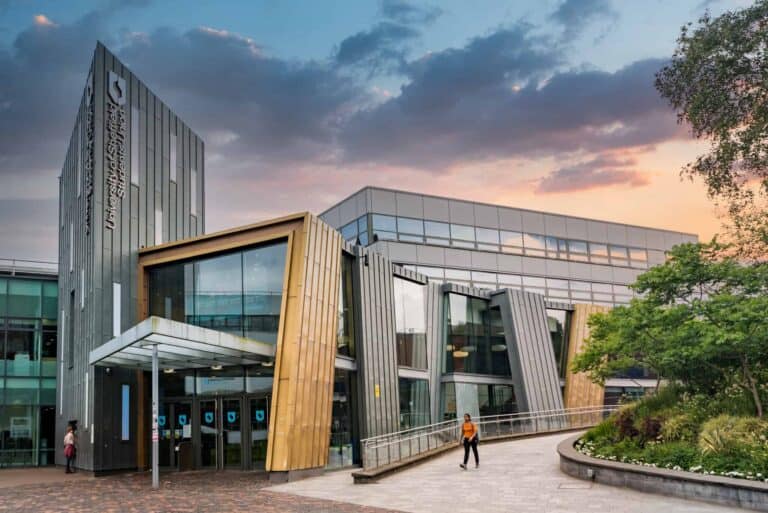
Specialising in a particular architectural style or building type can dramatically improve your marketability. For instance, focusing on modern minimalist architecture — think steel, glass, clean lines — attracts developers in urban centres like London, Manchester, or Leeds. Conversely, specialising in georgian or victorian historic architecture can open doors to conservation projects in cities like Bath or York.
Data from the British Institute of Professional Photography (BIPP) shows that photographers who specialise see up to a 25% increase in client enquiries compared to generalists. Your portfolio should reflect this by featuring a curated balance — for example, 60% modern builds and 40% traditional projects — to demonstrate both focus and versatility.
What Makes a Portfolio Effective? Breaking Down the Content
Quality Over Quantity: Why 20-25 Images Work Best
Clients and agencies spend less than 60 seconds reviewing a portfolio on average. Flooding your portfolio with hundreds of images dilutes impact. Instead, strive for a sharp selection of 20 to 25 images that represent your best and most relevant work. This approach has been shown to raise client retention and engagement rates by nearly 30%.
Balancing Overall, Editorial, and Detail Shots
A well-rounded portfolio includes:
- Overall Shots: Wide-angle images that present the entire building and its settings. These images provide context and scale. For example, capturing a new eco-friendly office park with its landscaped surroundings.
- Editorial Shots: These pictures showcase people interacting with spaces, adding life and functionality — such as business professionals working in a co-working space or families enjoying communal areas in residential developments.
- Detail Shots: Close-ups focusing on unique materials, textures, and craftsmanship — like ornate marble staircases, bespoke wooden joinery, or innovative metalwork.
In practice, a typical portfolio might allocate approximately 50% to overall shots, 30% to editorial, and 20% to detail images. This mix provides clients with a clear understanding of your versatility and eye for architectural storytelling.
Case Example: Boosting Client Conversion Through Portfolio Composition
Skywall Photography’s portfolio revamp in 2025 involved shifting from 70% overall shots to a more diversified mix as described above. Within six months, conversion rates from portfolio views to client inquiries rose by 42%, demonstrating how strategic image selection directly affects business outcomes.
How Do I Source Projects for Architectural Photography?
Building a strong portfolio requires access to diverse projects, which may be daunting for beginners or even experienced photographers. Here’s how to build your project pipeline:
Public Projects and Open Spaces
Start by photographing iconic and publicly accessible buildings. Examples include the Design Museum in London or the Riverside Museum in Glasgow. These locations offer opportunities to capture striking architecture without needing special permissions.
Leveraging Your Network and Cold Outreach
Reach out directly to architects, developers, or property managers. Tailor your message to emphasise how professional imagery can help them market their projects. For instance, when contacting a local architectural firm, propose a collaboration that benefits both parties mutually, perhaps by offering a discounted session in exchange for portfolio credit and promotion.
Attend industry events such as the annual RIBA Awards or property exhibitions to expand your network.
Renting Upscale Properties for Interior Shots
Airbnb and other short-term rental platforms offer excellent opportunities to photograph interiors that demonstrate your ability to handle lighting, texture, and space. For example, renting a luxury penthouse in central London can provide material that appeals to high-end residential developers.
Ensure you obtain permission from the property owner and clearly outline usage rights when building your portfolio this way.

What Are the Technical Best Practices When Photographing Architectural Projects?
Technical proficiency is a non-negotiable aspect of architectural photography. Your portfolio must reflect mastery of essential techniques to stand out.
Equipment and Settings
- Camera: Use a full-frame DSLR or mirrorless camera for the highest image quality.
- Lenses: Wide-angle lenses (16-35mm) are essential for capturing exteriors and interiors, while macro lenses help with detail shots.
- Tripod: Vital for stability and low-light situations, particularly indoors.
- Settings: Shoot in RAW format for maximum post-processing flexibility. Employ aperture priority mode with apertures between f/8 and f/11 for sharp depth of field.
Lighting Techniques
Lighting can make or break an architectural image. Natural light is invaluable — schedule shoots for golden hours (early morning or late afternoon) to capture soft, directional light that accentuates texture and volume. For interiors, supplement with portable LED panels or use window light strategically to add depth.
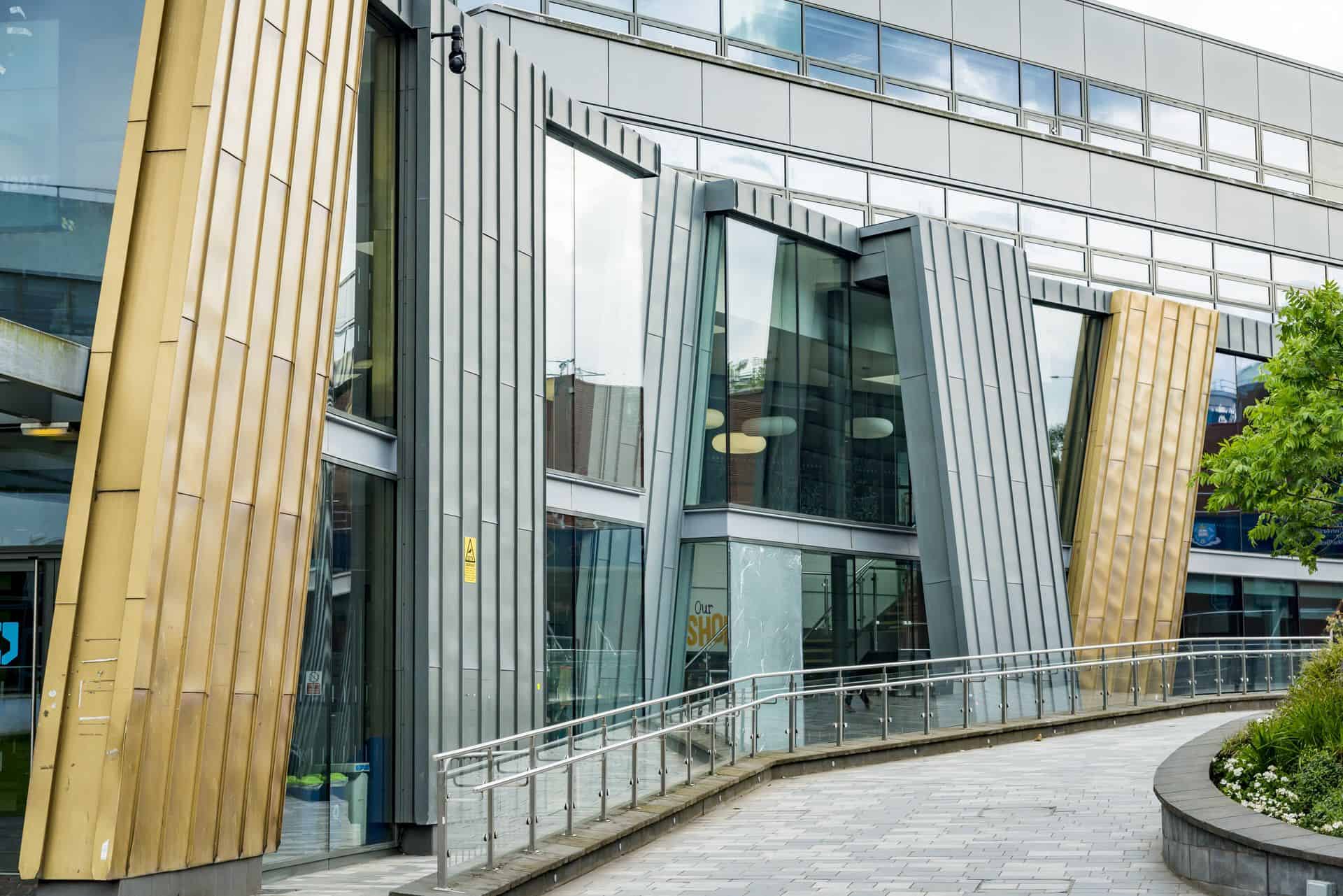
Using polarising filters reduces reflections on glass and enhances colour saturation, especially useful when photographing modern office buildings.
Post-Processing Tips
Post-processing should enhance, not distort. Focus on correcting perspective distortions using Adobe Lightroom or Capture One. Maintain colour accuracy—especially important for materials like brick, stone, or metal finishes—as clients expect true-to-life renderings.
High-dynamic-range (HDR) imaging helps balance bright exteriors and darker interiors in a single frame, improving overall image impact.
How Can I Access and Photograph Challenging or Private Spaces?
Accessing exclusive architectural spaces such as luxury retail stores, corporate offices, or private clubs requires tact and strategy.
Leveraging Relationships for Access
Use existing contacts within the construction, property, and architecture industries. A polite, professional approach outlining the mutual benefits — for example, offering images for their marketing collateral — can facilitate permission.
Scheduling shoots during off-peak hours or weekends minimises disruption, increasing client willingness to accommodate your requests.
Collaboration as a Gateway
Develop long-term partnerships with architects and developers. For example, photographers who form close ties with firms like Foster + Partners gain early access to projects before public launch, allowing for exclusive portfolio shots.
Offer tailored packages such as site progress photography, which documents the building process — a service many firms value highly and use for investor presentations and press releases.
Respecting Client Expectations
Always clarify shoot parameters upfront. Understand and adhere to health and safety guidelines on-site. Carry appropriate insurance and necessary permits, especially for drone photography, which is increasingly popular in architectural shoots but heavily regulated in the UK.
How Should I Present and Promote My Architectural Photography Portfolio?
Website and Online Portfolio Design
Your website is your digital storefront. Prioritise fast loading times, mobile optimisation, and easy navigation. Use high-quality images but optimise file sizes to avoid slow performance.
Organise your portfolio by project type or architectural style to help clients quickly find relevant work. Include brief project descriptions that highlight your role, technical challenges overcome, and client outcomes.
Social Media Strategies
Platforms such as Instagram and LinkedIn offer excellent channels for exposure. Instagram’s visual focus makes it ideal for sharing your latest shoots, behind-the-scenes content, and time-lapse videos of shoots, which can increase engagement by up to 60%.
LinkedIn, on the other hand, is a powerful tool for professional networking — sharing case studies, client testimonials, and industry insights can attract serious commercial clients.
Email Marketing and Client Follow-Up
Regular newsletters showcasing recent projects or new portfolio additions can nurture client relationships and keep you top of mind. Use platforms like Mailchimp to segment clients by interest — sending residential developers different content than commercial agencies maximises relevance and response rates.
Final Thoughts: Building a Portfolio That Secures Lucrative Architectural Projects
Architectural photography is more than just snapping buildings — it’s about interpreting design, atmosphere, and function through your lens. A thoughtfully curated portfolio that balances overall impact, human interaction, and intricate details will give you a competitive edge. Remember, specialising in a niche market and leveraging industry relationships can significantly enhance your access to exclusive projects and increase your earning potential.
Consistent refinement of your portfolio and active promotion through digital channels will steadily grow your reputation and client base. With dedication and strategic effort, you’ll not only build a stunning portfolio but also establish yourself as a sought-after architectural photographer in the UK.
Want to learn more about how you can elevate your brand with commercial photography? Check out my site today to get started!
Frequently Asked Questions
What is the average annual income for UK commercial photographers specialising in architectural photography?
On average, UK commercial photographers specialising in architectural photography earn around £50,000 annually. Experienced photographers with a strong portfolio and network can earn upwards of £75,000 per year. Income varies depending on client base, project complexity, and geographical location.
How many images should I include in my architectural photography portfolio?
A portfolio should contain between 20 to 25 high-quality and diverse images. This size balances comprehensiveness with client engagement, helping to maintain attention and demonstrate your skill effectively.
What types of shots should be included in an architectural photography portfolio?
Include a well-balanced mix of:
- Overall shots to showcase the entire structure and its surroundings
- Editorial images depicting human interaction with the space
- Detail photographs highlighting materials, textures, and design elements
This variety underscores your versatility and attention to architectural nuance.
How can I gain access to challenging or private architectural spaces for photography?
Access is often gained by leveraging professional networks, building relationships with architects, developers, and property owners, and attending industry events. Offering value through collaboration or mutually beneficial agreements enhances chances of permission.
Is specialising in a particular architectural style beneficial?
Specialising, such as focusing on modern minimalist or historic buildings, helps differentiate you and positions you as an expert. This attracts clients specifically seeking that style, often leading to higher-quality projects and better pay.
How important is sharing my portfolio on social media?
Sharing your portfolio on platforms like Instagram and LinkedIn is highly important. It can increase your visibility by over 50% and attract new client enquiries by showcasing your ongoing work, style evolution, and professionalism.
What are the best practices when photographing interior spaces for architectural photography?
Utilise natural and artificial lighting to enhance mood and texture. Focus on capturing interesting patterns, materials, and finishes. Employ perspective correction in post-processing to ensure spatial accuracy and avoid distortion, maintaining the integrity of the space.