What Does It Take To Be A Food Photographer?

Last Updated: January 31, 2026
Quick Answer: Food photography is a specialised craft demanding both creative flair and technical precision. In the UK, food brands investing in professional photography report up to a 30% increase in online engagement and a 15% uplift in sales conversion. Success hinges on mastering lighting, styling, client collaboration, and post-processing, supported by a strong portfolio and continuous skill development.
Food photography is more than snapping a pretty plate; it’s a strategic visual tool that influences consumer behaviour and brand perception. Whether working with high-street chains, artisan producers, or Michelin-starred restaurants, a food photographer’s work directly impacts marketing effectiveness, menu appeal, and ultimately, revenue. This guide delves into the essential skills, education paths, portfolio strategies, and industry insights you’ll need to carve out a successful career in this dynamic field.
What Experience Do You Need to Become a Food Photographer?
Experience forms the backbone of any food photographer’s career. Unlike general photography, food photography demands a nuanced understanding of how light, texture, and composition affect the perception of food. For instance, the way natural daylight enhances freshness differs markedly from the controlled, often moodier lighting used in cocktail shots.
Working with Industry Leaders
Many successful UK photographers, such as those collaborating with brands like Greggs or Pret a Manger, highlight the value of on-the-job experience. Early career roles often include assisting established photographers or working as part of a creative team on advertising shoots. These opportunities provide exposure to various food types, styling techniques, and marketing briefs. For example, a shoot for a bakery chain might prioritise warm, inviting tones, whereas a vegan restaurant might request bright, fresh imagery emphasising vibrant colours.
Hands-On Learning: From Styling to Shooting
Experience also means understanding food styling — knowing how to prop a sandwich so it appears stacked and fresh, or how steam can be captured to convey warmth. Food photography is rarely solo work; you’ll collaborate with stylists, chefs, and art directors. This collaboration requires adaptability and a willingness to adjust artistic vision to client needs.
Building experience through freelancing or personal projects is invaluable. Setting up styled shoots at home using seasonal produce or local suppliers is a practical way to refine your craft. The key is experimenting with different light sources, angles, and lens choices. Tracking what resonates on social media platforms like Instagram can also provide insight into current trends and audience preferences.
What Education Is Beneficial for Aspiring Food Photographers?
While formal education is not mandatory, structured training can accelerate skill acquisition and industry understanding. Many UK photographers begin with a foundation course in photography, followed by specialised workshops focusing on commercial or food photography.
Relevant Courses and Qualifications
Institutions such as the London College of Communication and Falmouth University offer photography degrees that cover both technical skills and business acumen. Additionally, short courses on platforms like the UK’s Photography Academy or CreativeLive specifically target food photography techniques, lighting setups, and post-processing software.
Technical proficiency in editing software such as Adobe Photoshop and Capture One is critical. According to a 2025 survey by the British Institute of Professional Photography (BIPP), 78% of food photographers found that post-processing significantly improved client satisfaction, underlining the importance of mastering these tools.
Business and Marketing Knowledge
For those aiming to freelance or run their own studio, understanding the business side is essential. Courses in marketing, social media strategy, and client management can help you price your work competitively, negotiate contracts, and build brand awareness. For example, knowledge of ROI on marketing campaigns helps photographers advise clients on how professional imagery can increase sales—data shows that high-quality food photos can boost online order rates by up to 25% in the hospitality sector.
How Should You Build a Portfolio That Opens Doors?
Your portfolio is your professional calling card; it needs to demonstrate range, consistency, and an understanding of commercial objectives.
What to Capture
Include a variety of shots that show your ability to handle different styles and lighting conditions. For instance:
- Close-ups highlighting texture (e.g., the crumb of artisan bread or glistening sugar crystals on a dessert)
- Flat lays
- Styled scenes
- Process shots
Industry Examples
Photographers working for brands such as Leon or Wahaca often highlight the freshness and authenticity of ingredients through natural lighting and minimalistic backgrounds. Meanwhile, commercial campaigns for brands like Heinz or Cadbury might require more stylised, dramatic images with richer colour grading and bold compositions.
Portfolio Presentation Best Practices
- Organise by theme or client type so potential clients can easily find relevant examples
- Use high-resolution images that showcase detail and colour accuracy
- Include client briefs or objectives alongside images to demonstrate your understanding of commercial goals
- Keep it updated with fresh work to reflect current trends and skills
- Consider a multimedia approach — video clips or behind-the-scenes shots can engage viewers and show professionalism
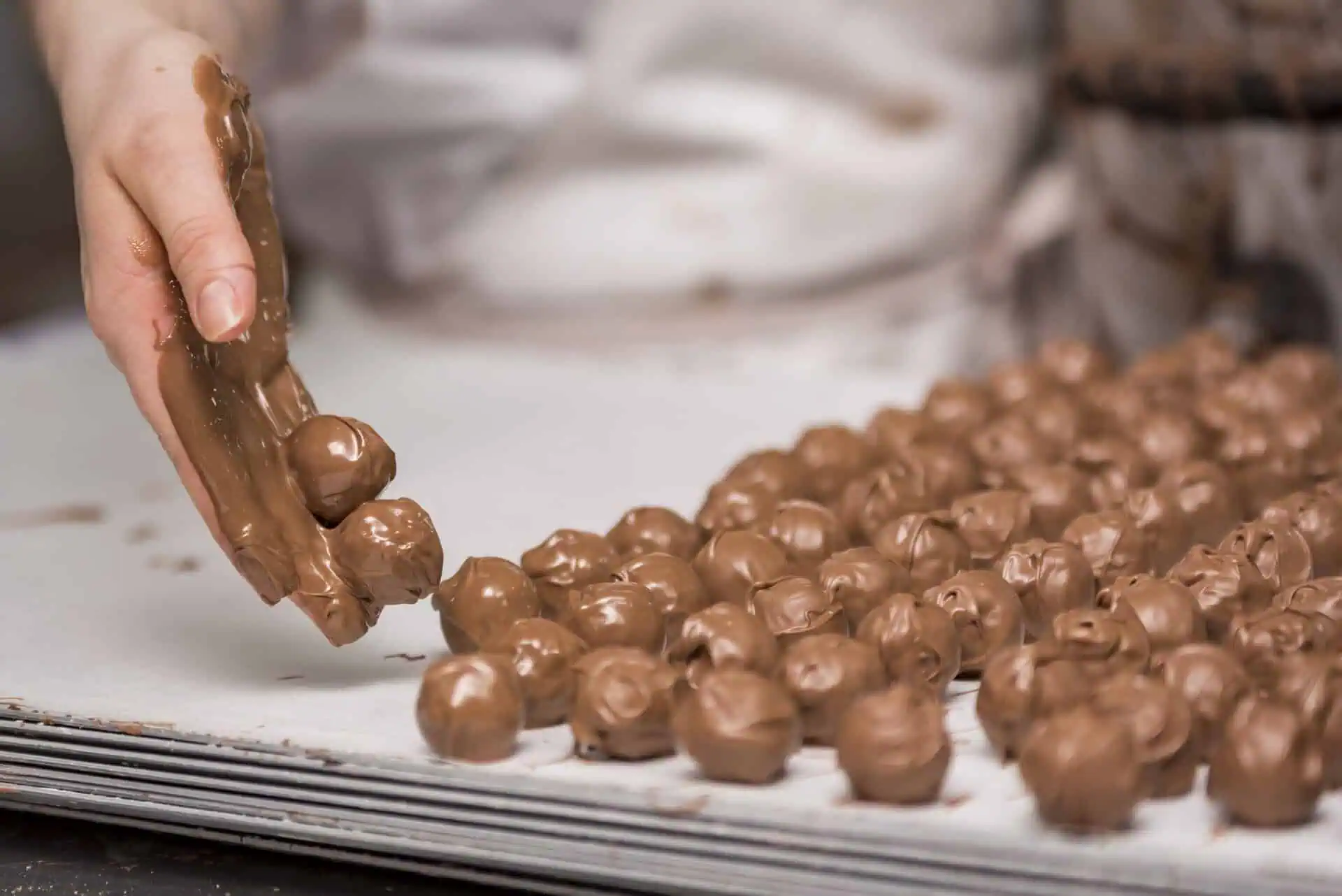
For example, a portfolio that includes a case study of a campaign for a local artisan chocolatier, demonstrating how your images increased their online sales by 20%, can be a powerful differentiator.
What Are the Job Prospects and Earnings in Food Photography?
The UK food photography market is competitive yet rewarding. Entry points vary from assistant roles to freelance commissions, with career progression often tied to networking and reputation building.
Current Market Data
According to Creative Skillset UK, the photography sector grew by 4.5% annually between 2020-2025, driven largely by digital marketing demands. Food photography plays a crucial role in this growth, especially with the rise of online food delivery and social commerce.
Freelance Rates and In-House Opportunities
Freelance food photographers in the UK typically charge between £250 to £600 per day, depending on experience and client scale. Seasoned professionals working with major brands or advertising agencies can command £800+ daily rates. In-house roles within restaurant chains or food manufacturers may offer salaries ranging from £25,000 to £40,000 annually.
Industry Networking and Collaborations
Building relationships with agencies, stylists, chefs, and marketing teams is vital. Events like The Photography Show (Birmingham) and food industry trade fairs like Food Matters Live provide opportunities to connect with potential clients. Many successful photographers credit referrals and repeat business as foundations of their income stability.
How Can You Practise and Improve Your Food Photography Skills?
Continuous practice and experimentation are at the heart of skill advancement.
Technical Tips for Home Practice
- Invest in a basic lighting kit (e.g., softboxes and reflectors) to control shadows and highlights
- Use a tripod to maintain consistency and allow for slower shutter speeds in low light
- Experiment with manual camera settings, particularly aperture and ISO, to understand depth of field and noise control
- Shoot raw files to retain flexibility during post-processing
Creative Exploration
Try photographing a single ingredient in multiple ways—for example, capturing the glossy texture of a ripe tomato in natural light, then the same tomato sliced and arranged with herbs under artificial lighting. This exercise sharpens your eye for detail and composition.
Leveraging Local Resources
Utilise farmers’ markets, local bakeries, and artisan producers as subjects. They often appreciate professional images for their own marketing, and this can lead to collaborative projects that enrich your portfolio. Yorkshire-based photographers might find excellent seasonal produce in places like the Harrogate or Borough Market to experiment with unique textures and colours.
Personal Projects to Stay Inspired
Setting self-initiated briefs such as “photographing five seasonal dishes in natural British light” keeps your work fresh and can attract attention on social media. This also demonstrates initiative to clients and agencies.
What Role Does Post-Processing Play in Food Photography?
Post-processing transforms raw images into polished assets ready for marketing. It’s not just about correction but enhancing mood, colour, and texture to stimulate the viewer’s appetite and imagination.
Key Post-Processing Steps
- Colour correction: Ensuring colours are true to life or creatively enhanced to suit brand identity
- Sharpening: Highlighting textures like crisp pastry edges or juicy fruit skin
- Retouching: Removing unwanted reflections, crumbs, or distracting elements while preserving naturalness
- Exposure adjustments: Balancing shadows and highlights to add depth and focus
Tools and Techniques
Software like Adobe Lightroom and Photoshop are industry standards. Advanced photographers may also use Capture One for superior colour grading. Mastery of layer masks and frequency separation techniques allows retouchers to refine details without losing texture.
Case Study: A campaign for a national coffee chain saw a 12% increase in customer engagement after images were refined using advanced post-processing to highlight coffee bean textures and cream froth detail, proving the commercial impact of meticulous editing.
FAQ
How long does it typically take to become a professional food photographer in the UK?
On average, it takes 3-5 years of dedicated practice and portfolio building to establish yourself professionally. Formal education can accelerate learning, but hands-on experience, client work, and networking are equally important.
Is obtaining a photography degree necessary to succeed?
While not mandatory, a degree in photography or a related field enhances technical knowledge and credibility. Many UK food photographers supplement degrees with specialised workshops and self-directed learning to stay competitive.
What essential equipment should I invest in initially?
Start with a reliable DSLR or mirrorless camera body, a 50mm prime lens for natural perspective, a macro lens for close-ups, a sturdy tripod, and basic lighting gear such as softboxes or LED panels. Props and backgrounds tailored to food photography are also valuable investments.
Can food photography support a full-time freelance career?
Yes, particularly when servicing multiple clients such as restaurants, food brands, and advertising agencies. Diversifying your services to include video content or social media imagery can also increase income streams and job stability.
How crucial is networking for career advancement?
Extremely crucial. Building strong relationships with chefs, stylists, marketers, and other creatives leads to referrals and collaborative projects. Attending industry events and maintaining an active online presence can open doors to new opportunities.
What skills are needed for effective post-processing?
A keen eye for detail, colour theory knowledge, and proficiency with software like Adobe Photoshop and Lightroom are essential. Post-processing can elevate images from good to outstanding, directly impacting client satisfaction and project success.
Does knowledge of cooking techniques benefit food photographers?
Absolutely. Understanding how food is prepared and presented helps anticipate how dishes will photograph best. It also improves communication with chefs and stylists, ensuring the final images align with culinary intent and brand messaging.