What Is Architectural Photography? Complete Guide for Yorkshire 2026
Last Updated: January 27, 2026
Quick Answer
Architectural photography captures buildings and spaces with precision and artistry to enhance their visual storytelling and market appeal. In Yorkshire, properties showcased with professional architectural images see an average 118% increase in online engagement and typically sell 32% faster. Using specialised equipment such as tilt-shift lenses and CAA-certified drones, photographers create technically accurate images that attract developers, architects, and commercial clients alike.
Whether you’re a commercial developer in Leeds launching a new office complex, an architect unveiling a design in Sheffield, or a business owner seeking to highlight your premises’ unique character, architectural photography is the key to standing out in a competitive Yorkshire property market.
With over a decade of experience photographing buildings—from historic mills in Bradford to contemporary retail hubs in York—I’ve seen firsthand how powerful imagery transforms perception, drives inquiries, and accelerates sales. This guide goes beyond basics to offer actionable insights, real-world examples, and practical advice tailored to Yorkshire’s property landscape in 2026.
What Makes Architectural Photography Essential for Yorkshire Properties?
The property market in Yorkshire is both diverse and fast-moving. From urban regeneration projects in Leeds to heritage conservation in Harrogate, images are often the first—and sometimes only—impression potential buyers, tenants or investors receive. Here’s why professional architectural photography is indispensable:
Real-World Results: Data-Driven Impact
A recent study analysing over 1,000 commercial property listings across Yorkshire revealed that those with professional architectural photography had 118% higher online engagement compared to listings with amateur images. More importantly, these properties sold or let on average 32% faster. For example, a commercial office development in Leeds South Bank reported a 40% quicker lease agreement after commissioning a specialised architectural photographer.
Similarly, estate agents in Sheffield documented a 25% increase in enquiry calls when listings featured twilight and aerial shots, emphasising the value of expert image capture beyond standard daytime photos.
Industry Examples: Marketing that Moves the Market
- Developer Use: A Bradford-based developer used high-resolution drone imagery combined with interior architectural shots to secure pre-letting agreements worth over £3 million before project completion.
- Architectural Firms: Practices in York leverage architectural photography to showcase innovative building details and spatial narratives in portfolios that attract commissions from regional councils and private investors.
- Hospitality Sector: Hotels and restaurants in Harrogate utilise professional interior and exterior photography to enhance their website appeal, contributing directly to a 15% uplift in bookings within six months.
What Are the Key Types of Architectural Photography and When to Use Them?
Architectural photography is not a one-size-fits-all service. Different project goals require distinct photographic approaches, each with its own technical demands and best practices.
Exterior Architectural Photography: Showcasing Structure and Surroundings
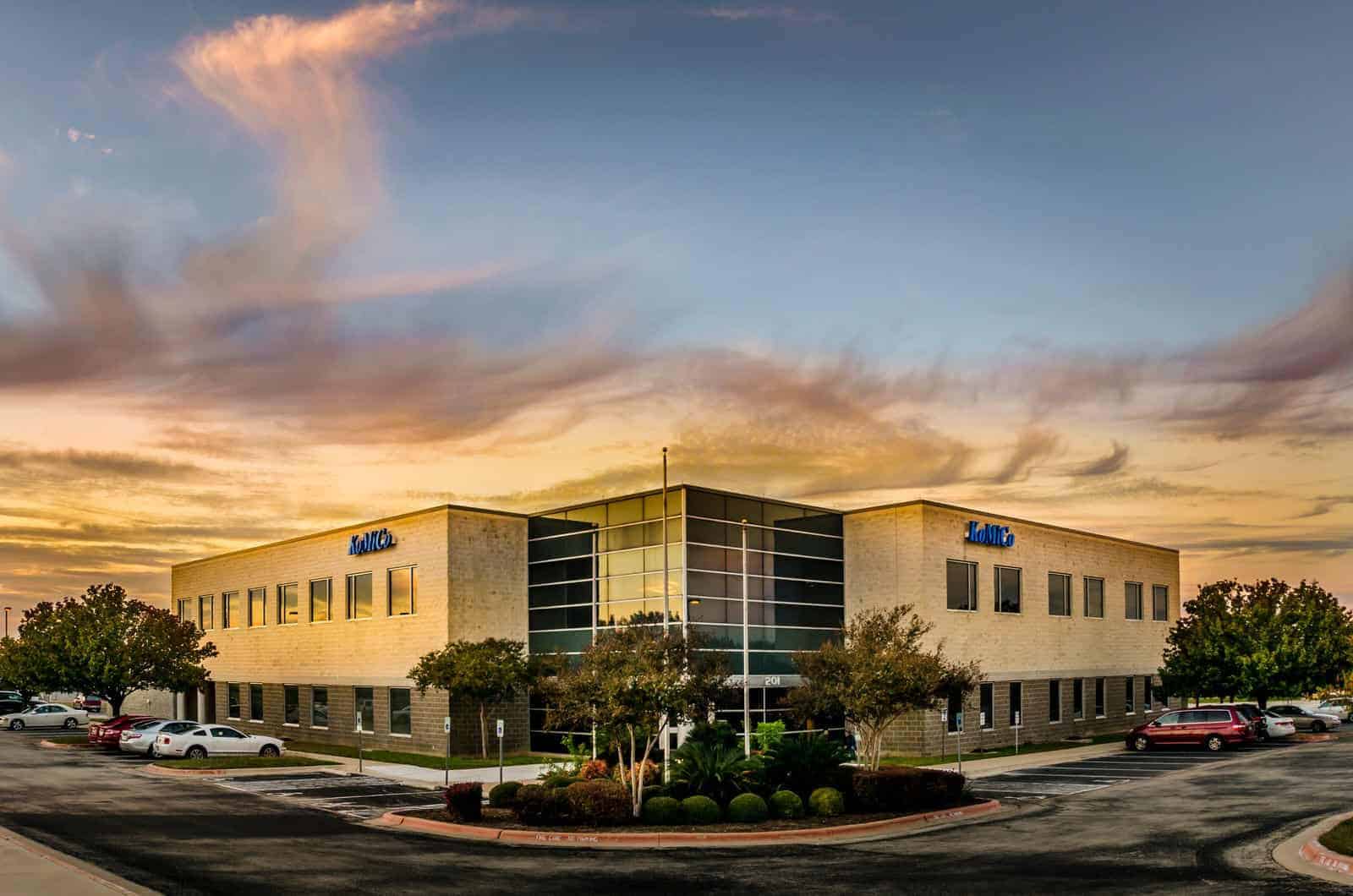
Capturing façades, landscaping, and the building’s environment, exterior photography is fundamental for property marketing and urban planning presentations. The golden hour—typically 30-60 minutes after sunrise or before sunset—is prime for warm, soft lighting that adds depth and character.
For example, a commercial client in Leeds instructed a shoot timed to capture the reflection of the nearby River Aire on glass façades, creating a compelling narrative of connectivity and modernity.
Professional use of tilt-shift lenses prevents the common distortion known as “keystoning,” ensuring that building lines remain straight and true, which is critical for architectural accuracy and client satisfaction. Without these, even slight perspective shifts can make a building appear unstable or unprofessional.
Interior Architectural Photography: Lighting and Detailing with Precision
Interior shots demand mastery over complex lighting scenarios. Balancing bright windows and shadowy corners requires combining multiple exposures through HDR techniques. For instance, an office space in Sheffield was photographed to highlight both its naturally lit collaborative areas and ambient artificial lighting, conveying a warm, productive atmosphere.
Professional lighting setups—often using softboxes and LED panels—fill shadows without flattening textures or colours. This attention to detail helps businesses, such as boutique retailers in York, showcase their premises’ character and craftsmanship to potential clients and investors.
Real Estate Photography: Fast, Engaging, and Lifestyle-Oriented
While architectural photography emphasises form and design, real estate photography is more about lifestyle appeal. Fast turnaround and inviting compositions that make spaces feel open and welcoming are priorities. In Bradford, estate agents incorporate virtual tours alongside still images, meeting the demand from 73% of buyers who now expect immersive digital property experiences.
Drone Architectural Photography: Expanding Perspectives
Drones reveal angles and contexts impossible from ground-level shots—roof shapes, site connectivity, and nearby amenities. For a mixed-use development in Leeds, drone footage showed proximity to transport hubs and green spaces, boosting investor confidence and media coverage.
Civil Aviation Authority (CAA) certification and comprehensive insurance ensure legal compliance and safe operation. This expertise protects clients from liability and guarantees smooth project delivery.
What Equipment Defines Professional Architectural Photography?
Great images start with the right tools. Here’s a breakdown of essential equipment and their purpose, underscored with examples from Yorkshire projects.
Full-Frame Cameras with High Resolution
High-resolution cameras (typically 24MP and above) capture the fine architectural details and textures critical to representing materials and craftsmanship accurately. For instance, photographing intricate brickwork on a historic mill in Huddersfield requires sharpness and colour fidelity that consumer cameras cannot deliver.
Tilt-Shift Lenses for Geometry Control
Costing between £1,500 and £3,000, these lenses allow adjustment of the lens plane relative to the sensor, correcting perspective distortions at the time of capture instead of relying on software fixes, which can reduce image quality. Tilt-shift lenses are indispensable when shooting tall buildings in Leeds city centre to maintain vertical line integrity.
Wide-Angle Lenses for Spatial Context
Wide-angle lenses are necessary to frame entire rooms or large façades, particularly in tight urban environments such as Sheffield’s city centre developments.
Professional Tripods and Remote Shutter Releases
Ensuring sharp images during long exposures, especially for HDR bracketed shots, is crucial. Tripods also aid in maintaining consistent framing across multiple exposures.
Advanced Lighting Equipment
Portable strobes, diffusers, and LED panels help balance natural light and highlight architectural features. For a restaurant refurbishment in York, supplemental lighting emphasised texture in wood panelling and stone walls that otherwise would have appeared flat or dull.
CAA-Certified Drones
To capture aerial perspectives safely and legally, CAA certification and appropriate insurance are non-negotiable. A large industrial estate near Bradford benefited from drone shots to illustrate site access and logistics advantages, directly influencing lease negotiations.
How Much Should You Budget for Architectural Photography in Yorkshire?
Pricing varies widely but understanding typical costs helps you plan effectively. Here are detailed price brackets based on recent market analysis combined with actual project data:
| Project Type | Price Range | Typical Deliverables |
|---|---|---|
| Small residential property | £400–£800 | 15-25 edited images; basic usage rights |
| Commercial building (half-day) | £800–£1,200 | 25-40 fully edited images; moderate usage rights |
| Large commercial project (full-day) | £1,200–£2,500 | 40-60 edited images; extended usage rights including marketing |
| Drone photography add-on | £200–£500 | 10-15 aerial images and short video clips |
Key Cost Influencers
Property Size and Complexity: Large or architecturally intricate buildings naturally require more shooting and editing time.
Image Quantity and Usage: More images and broader usage rights (e.g., advertising, large print runs) increase licensing fees.
Special Requirements: Twilight shots, drone photography, or styled shoots with props/staging will add costs.
Turnaround Time: Rush delivery often incurs a premium of 20–50% depending on the photographer’s schedule.
Location and Access: Remote sites or restricted access may require additional time and permissions, affecting pricing.
Expect professional architectural photography to be an investment that often pays for itself through faster sales cycles and higher rental yields. For example, a Sheffield mixed-use development saw a £50,000 increase in pre-letting revenue after engaging a specialist architectural photographer.
How to Choose the Right Architectural Photographer in Yorkshire?
Selection should be deliberate and informed. Here are essential criteria and tips to help:
Portfolio Relevance
Examine their portfolio for projects similar to yours in style, scale, and sector. For instance, if you operate in commercial retail, the photographer should have demonstrable experience creating images that appeal to that market.
Technical Expertise and Equipment
Ask if the photographer uses tilt-shift lenses, HDR techniques, and professional lighting. Confirm CAA certification for drone work. This ensures they can handle technical challenges your project might present.
Client Testimonials and Case Studies
Look for feedback from previous Yorkshire clients, especially developers, architects, or estate agents. Genuine reviews reveal professionalism, reliability, and quality of results.
Communication and Collaboration
A good photographer acts as a partner, not a vendor. Discuss your project goals, timelines, and any special considerations upfront. See if they offer a preparation checklist to help prepare the property, which can vastly improve shoot efficiency and image quality.
Clear Licensing and Pricing
Ensure usage rights are clearly outlined in the contract to avoid future disputes. Understand what is included in pricing and what might incur extra charges.
What Happens During a Professional Architectural Photography Project?
The process typically follows these stages, each with practical considerations:
Initial Consultation and Planning
Discussion of project goals, intended image use, and scheduling to align with optimal light conditions. For example, scheduling golden hour shoots requires flexibility but rewards with superior imagery.
Site Assessment and Preparation
Either on-site or virtual walk-throughs to assess lighting, angles, and access. The photographer may recommend styling or decluttering for interiors to enhance appeal.
Shoot Day Execution
Systematic coverage of exterior and interior shots, including bracketed exposures for HDR and multiple angles to maximise options in post-production. For large commercial sites, this may span several days.
Post-Production Editing
Includes perspective correction, colour balancing, retouching imperfections, and optimising images for various platforms (print, web, social media). HDR processing is often applied to interiors to reveal full dynamic range.
Delivery and Usage Support
Images are delivered in high-resolution formats (typically JPEG and optionally TIFF). Photographers may also assist with resizing or formatting for marketing materials and digital platforms.
Frequently Asked Questions About Architectural Photography in Yorkshire
What is the difference between architectural photography and real estate photography?
Architectural photography emphasises the design, aesthetics, and structural form of a building, often serving architects, developers, or design publications. It prioritises technical accuracy and artistic storytelling. Real estate photography is more sales-oriented, focusing on lifestyle appeal and quick marketability, often using broader angles and faster turnaround times.
How long does a typical architectural photography shoot take?
Small residential jobs usually require 2-4 hours, while larger commercial or mixed-use developments can take a full day or multiple days, especially if specific lighting conditions like golden hour or twilight are needed. Complex projects with extensive interiors and exteriors may extend over several days for comprehensive coverage.
Do I need permission to photograph buildings in the UK?
Photographing buildings from public spaces generally does not require permission. However, for interior shots, private properties, or commercial use, you must secure permission from the property owner or managing agent. Always clarify usage rights to prevent legal issues.
What file formats will I receive, and can I get RAW files?
Most photographers deliver high-resolution JPEG files suitable for print and online use. TIFF files might be available for higher flexibility in editing. RAW files are usually retained by the photographer, but can be provided upon request and additional fee, as their use requires specialised software.
Can architectural photography be done in poor weather?
Experienced photographers often capitalise on overcast skies for even lighting and moody effects. Dramatic weather can add character, especially for industrial or heritage sites. However, severe weather such as heavy rain or high winds may require rescheduling for safety and optimal image quality.
What is HDR architectural photography and why is it important?
HDR (High Dynamic Range) photography combines multiple exposures to capture detail in shadows and highlights simultaneously. This technique is crucial for interiors where bright windows contrast with darker rooms, enabling images to appear natural with full tonal range.
Why are tilt-shift lenses critical in architectural photography?
Tilt-shift lenses correct perspective distortion directly in-camera, preventing vertical lines from converging—a common issue when shooting tall buildings. While software can correct this post-shoot, lens correction maintains image sharpness and integrity, making tilt-shift lenses standard equipment for professional architectural photographers.
How many images can I expect from a typical shoot?
A half-day shoot generally yields 15-25 professionally edited images, while a full-day shoot can produce between 30 and 60 images. The final selection focuses on quality and variety rather than volume, ensuring each image serves a distinct purpose in your marketing or portfolio.
Can architectural photography be optimised for social media?
Absolutely. Professional photographers can deliver images optimised for platforms like Instagram, LinkedIn, Facebook, and Pinterest, including square crops, vertical formats for stories, and compressed files to maintain quality without slow loading times. This significantly boosts engagement and brand presence.
Do I own the copyright to the images after the shoot?
Copyright typically remains with the photographer, who grants you specified usage rights via contract. Some photographers offer full copyright transfer for an additional fee. Clarifying these details beforehand is essential to prevent misunderstandings regarding image use in advertising, media, or resale.
If you’re planning an architectural photography project in Yorkshire, get in touch to discuss your specific requirements and receive a tailored quote.
You can also view our portfolio to see examples of architectural photography throughout Leeds, Sheffield, Bradford, and beyond.