Exploring the Different Types of Commercial Photography: A Comprehensive Overview
Last Updated: February 12, 2026
Quick Answer: Commercial photography drives measurable business growth by enhancing brand identity and engagement. For instance, professionally produced product images can increase online conversion rates by up to 40% and improve customer trust, directly impacting revenue. Whether showcasing architecture, food, or fashion, each photography style is tailored to maximise ROI through strategic visual storytelling.
In today’s fast-paced digital economy, commercial photography stands as a pivotal marketing asset for UK businesses aiming to thrive. From luxury fashion houses in London to artisan food producers in Yorkshire, compelling imagery communicates brand narratives far beyond words alone. This guide delves into the specialised types of commercial photography — exploring how each serves distinct sectors, boosts engagement, and delivers tangible results. Whether you’re a brand manager seeking to brief your photographer or a professional aiming to sharpen your craft, practical insights and real-world examples await.
What Exactly Is Commercial Photography and Why Does It Matter?
At its core, commercial photography means creating images specifically designed to promote or sell products, services, or ideas. Unlike purely artistic photography, it blends creativity with business objectives to influence consumer behaviour. In the UK, the commercial photography sector generates over £1 billion annually, underscoring its significance to marketing and commerce.
Business Impact: Real-World Results
A 2025 survey by the UK Advertising Association revealed that 67% of consumers are more likely to buy from brands using professional photography in their campaigns. For example, a UK-based cosmetics brand reported a 38% uplift in online sales after refreshing their product shots with high-resolution images that detailed textures and colours accurately.
Furthermore, companies investing in commercial photography experience a measurable increase in brand trust. According to BrightLocal, 87% of consumers say that visual content is a critical factor in their purchasing decisions. This emphasises why businesses large and small allocate substantial budgets—often 15%-25% of their marketing spend—to professional imagery.
Key Considerations for Businesses
- Define clear objectives for the photoshoot aligned with brand goals.
- Choose photographers experienced in your industry to ensure visual consistency.
- Plan for multichannel usage—print, digital, social media—to maximise photo lifespan.
Which Commercial Photography Styles Deliver the Strongest ROI?
Each type of commercial photography has a unique role in marketing strategies. Below we explore major styles with examples of businesses that have seen concrete benefits.
Product Photography: The Digital Sales Booster
In e-commerce, product photography isn’t just imagery; it’s the digital storefront. Amazon data shows products with multiple high-quality images achieve up to 40% higher conversion rates compared to listings with a single or low-quality image. For UK retailers selling via marketplaces or direct websites, detailed shots from multiple angles plus lifestyle context can significantly reduce return rates by setting accurate expectations.
Industry Example: Nottingham-based leather goods maker “Helmsley & Sons” revamped their website with macro-detail product shots that highlighted craftsmanship. They reported a 35% increase in average order value within six months, attributing this to improved customer confidence.
Fashion Photography: Crafting the Brand Aura
Fashion photography combines artistry and commercial savvy to create aspirational images that resonate emotionally. According to the British Fashion Council, 72% of UK consumers discover new fashion trends through imagery in campaigns and publications. Iconic photographers like Tim Walker continue to innovate, merging surreal creativity with brand storytelling.
For fashion brands, seasonal campaigns with carefully styled shoots can drive up to £1 million in incremental sales within weeks. This is particularly true for luxury labels targeting discerning UK and international markets.
Food Photography: Appetite for Engagement
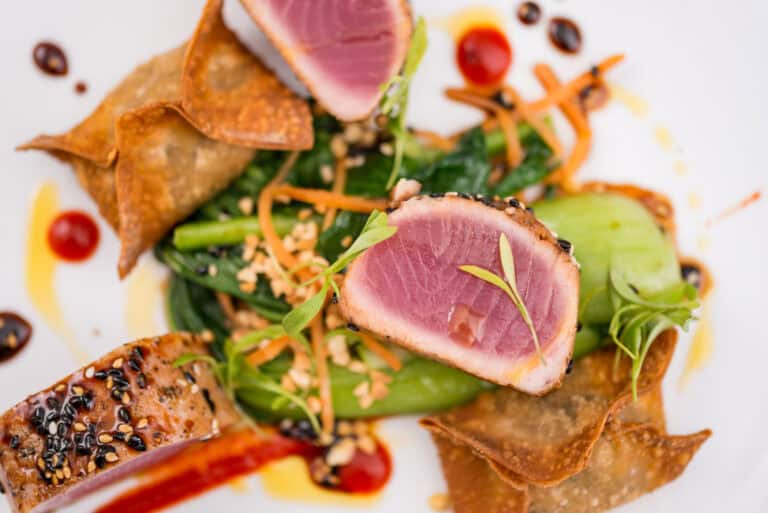
Food and drink businesses in the UK face fierce competition, and arresting photography can be a critical differentiator. Research by The Food Marketing Institute shows that food images increase engagement on social media by 60%, while menus featuring high-quality photos see a 25% increase in orders.
Technical Tip: Working with skilled food stylists, photographers use techniques such as selective carbonation for sparkling drinks or carefully timed blowtorch charring on meats to evoke sensory appeal that stimulates viewers’ appetite.
Architectural and Real Estate Photography: Showcasing Value and Vision
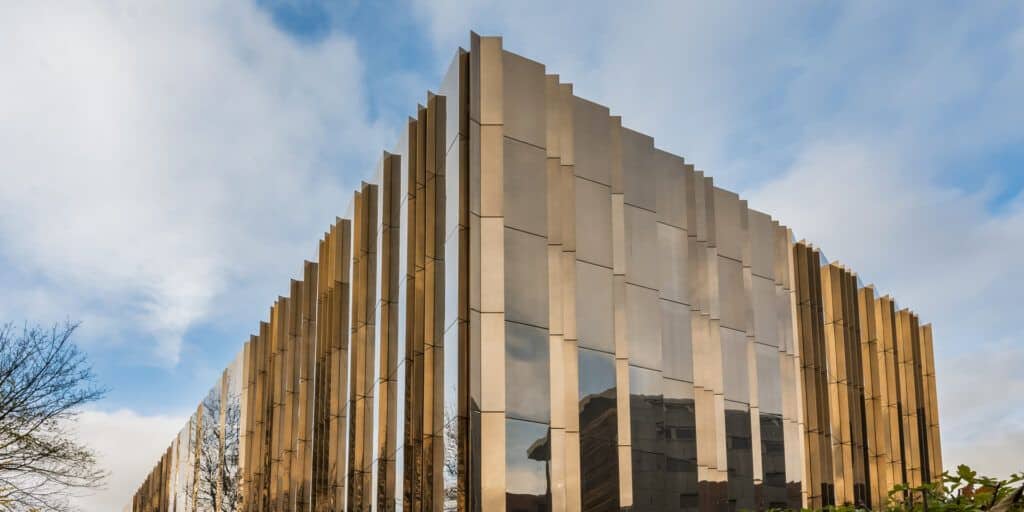
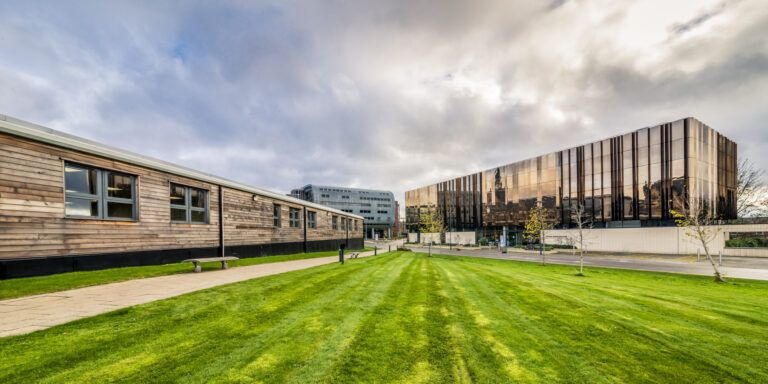
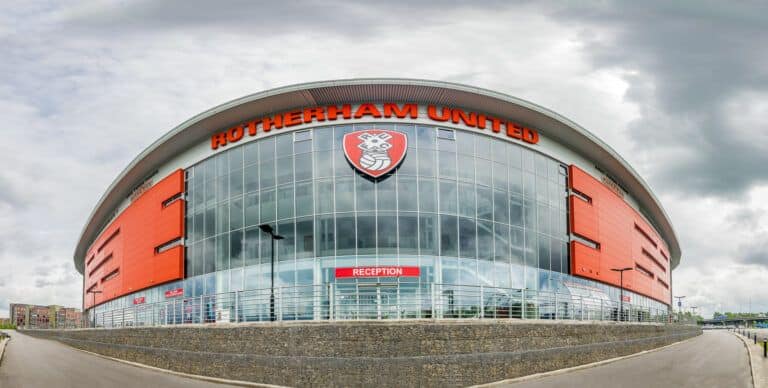
Architectural photography transforms static buildings into stories of innovation and space. According to Rightmove, properties presented with professional photography sell 32% faster and for 6% more on average than those with amateur images. Commercial developers and architects use this style to attract investors and buyers by portraying not only structures but lifestyle aspirations.
For instance, Manchester’s “Skyline Developments” commissioned detailed twilight shots of new apartment blocks to highlight design features, resulting in a 20% faster uptake in reservations.
Lifestyle Photography: Humanising Products and Services
Lifestyle photography situates products within relatable real-life contexts, generating emotional connections. This style accounts for a significant chunk of commercial imagery on social media, where authenticity is prized.
Examples of Lifestyle Scenarios That Work:
- Friends sharing picnic moments in a London park for a beverage brand.
- A family cooking with a kitchen appliance in a countryside home to promote kitchenware.
- A professional using tech gadgets in a café, showcasing usability and style.
Businesses report that lifestyle images create up to 50% higher engagement rates on Instagram compared to traditional product-only photos, particularly when targeted at millennials and Gen Z audiences.
What Does a Professional Commercial Photographer Actually Do?
Being a commercial photographer in the UK demands a diverse skill set beyond just technical proficiency. It’s about interpreting business goals and translating them into compelling visuals that drive results.
Pre-Shoot Planning and Collaboration
Successful shoots begin with detailed briefs and mood board development aligned with client marketing strategies. For example, a commercial photographer working with a luxury hotel brand would research their target demographic and brand tone to deliver consistent imagery.
Technical and Artistic Execution
Mastery of lighting, composition, and equipment is essential. Photographers often employ advanced lighting rigs, including softboxes and reflectors, to create mood and depth. Post-production work ensures colour accuracy and image crispness that meet print and digital standards.
Business and Client Management
After the shoot, photographers handle image licensing, usage agreements, and deliverables tailored to client needs. Building lasting relationships through follow-ups and understanding evolving brand requirements fosters repeat business—a key income stream.
How Can Photographers Build a Successful Commercial Career?
Entering the commercial photography industry requires more than talent; it demands strategic business planning and continuous learning.
Building a Portfolio That Sells
Your portfolio is your shop window. Aim for a focused collection of 15-20 images demonstrating versatility within your niche, whether that’s product, fashion, or architectural photography. Highlight problem-solving—show how your images meet client objectives or elevate brands.
Networking and Marketing Strategies
Attend industry events such as The Photography Show in Birmingham and join local creative networks. Collaborate with agencies, stylists, and creative directors to gain referrals. A professional website optimised for SEO with client testimonials can significantly increase enquiries.
Pricing Transparently and Strategically
In the UK, commercial photography rates vary widely, with typical day rates ranging from £400 to £1,500 depending on experience and project scope. Offering clear, itemised quotes that specify usage rights and deliverables helps clients understand value and mitigates pricing disputes.
What Are Licensing and Usage Rights, and Why Do They Matter?
Understanding licensing is crucial to protect your work and ensure fair compensation. Common licenses include:
- Royalty-Free: Non-exclusive, broad usage rights for a set fee.
- Rights-Managed: Limited use defined by time, geography, and media.
- Exclusive: Client buys sole usage rights, often at premium rates.
Negotiating clear contracts upfront avoids costly legal issues. For example, a UK-based agency once paid double after discovering their photographer’s images were reused beyond agreed media, sparking licensing disputes. Awareness and clarity safeguard reputations and earnings.
FAQ
How much does commercial photography typically cost in the UK?
Costs vary by project complexity, but day rates range from £400 for emerging photographers to £1,500+ for established professionals. Additional expenses include styling, location fees, and post-production. Clients should request detailed quotes specifying usage rights.
How long does it take to complete a commercial photography project?
Depending on scale, shoots can last from a few hours to multiple days. Post-production editing generally takes 1-2 weeks. Clear communication about timelines is critical, especially for advertising campaigns with tight deadlines.
What equipment should I invest in for commercial photography?
Essential gear includes a high-resolution DSLR or mirrorless camera, professional lighting (strobe lights, softboxes), sturdy tripod, and quality lenses (macro, wide-angle). For studio setups, backdrops and modifiers enhance versatility.
How important is post-production in commercial photography?
Post-processing is vital to achieve polished, market-ready images. Techniques include colour correction, retouching, and compositing. Clients often expect retouched images that align with brand aesthetics and product presentation standards.
Can commercial photography help small businesses compete online?
Absolutely. Professional images boost credibility and engagement, especially on social media and e-commerce platforms. Small businesses with quality photography report increased customer retention and higher conversion rates, crucial in crowded digital marketplaces.
Do I need a commercial photographer with industry-specific experience?
Yes, industry expertise ensures photographers understand sector nuances, target audiences, and technical requirements. For example, architectural photographers must master perspective control, while food photographers focus on styling and lighting to evoke flavour.
How do I protect my rights as a photographer?
Use clear contracts detailing usage, licensing, and payment terms. Register images with copyright authorities if needed, and consult legal advice for complex agreements. Maintaining professional standards and documentation safeguards your intellectual property.