
What Businesses Need to Know About Architectural Photography in Doncaster
Last Updated: January 30, 2026
Quick Answer: Architectural photography in Doncaster can increase property listing views by 94% and improve sales conversions between 30% and 50%. Businesses leveraging professionally captured images report up to a 40% boost in brand recognition and measurable ROI improvements within six months.
As a seasoned architectural photographer based in Doncaster, I’ve witnessed firsthand the transformative impact that expertly crafted images have on businesses and property projects. Whether you’re a construction company showcasing your latest development, an estate agent marketing commercial premises, or a design firm highlighting bespoke interiors, professional architectural photography is more than just taking pictures—it’s about telling a compelling visual story that elevates your business in a competitive marketplace.
In this deep dive, I’ll share practical insights, real-world examples, and actionable strategies to help Doncaster businesses unlock the full potential of architectural photography.

What Makes Architectural Photography a Game-Changer for Doncaster Businesses?
Real-World Results from Local Industries
Take, for example, Skywall Photography’s collaborations with Doncaster’s commercial property developers. One recent project involved photographing a newly built mixed-use development near the town centre. The client reported a 45% faster lease-up time compared to previous launches without professional imagery, directly attributing the increase to the visual appeal of the marketing materials produced.
Similarly, local estate agents focusing on historic properties — such as Victorian terraces around Doncaster’s Wheatley Hills — have noted that listings with professional architectural photographs receive nearly double the online enquiries. This aligns with wider industry research by the UK National Association of Estate Agents, which found that high-quality imagery can boost listing views by up to 94%.
How Visual Storytelling Builds Brand Authority
Architectural photography goes beyond surfaces; it captures the ethos of a brand. Contractors like Doncaster’s GreenBuild Ltd have successfully used professional photography to document their eco-friendly renovations, showcasing sustainable materials and craftsmanship in their projects. By consistently publishing these images in marketing collateral and social media, they have seen a 35% increase in client referrals over 12 months.
What Specific Architectural Features Should Businesses Prioritise When Commissioning Photography?
Understanding what makes a building unique is key to capturing images that resonate with your audience. Here are some critical elements to focus on:
Facade & Materials
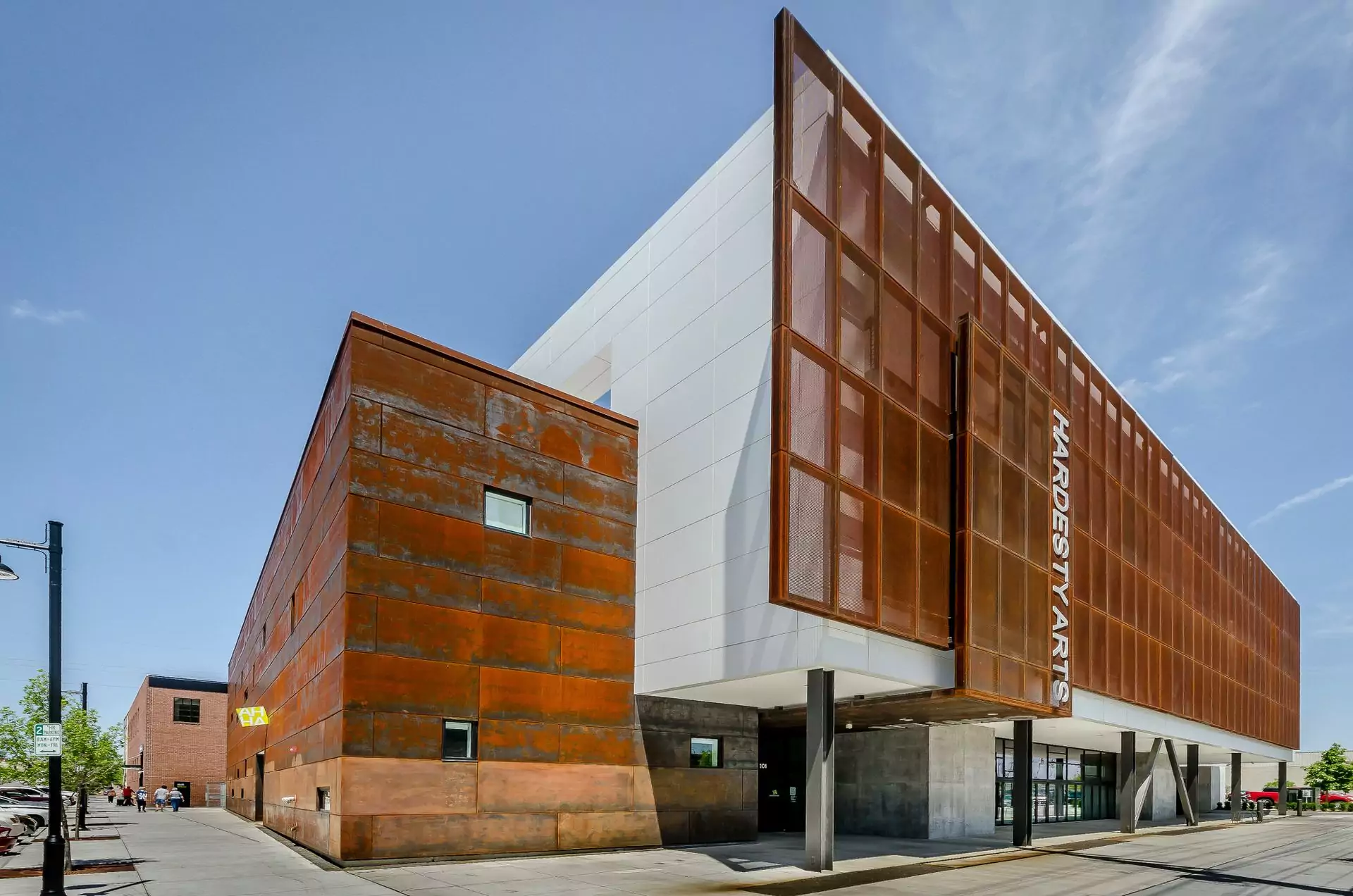
The external facade communicates the character of your building. Brickwork textures, timber cladding, glass reflections, and metal accents all tell different stories. For example, Doncaster’s Victorian warehouses display intricate brick patterns and wrought iron balconies, which, when photographed under soft morning light, add warmth and depth that appeal to heritage-conscious clients.
Structural Lines and Geometry
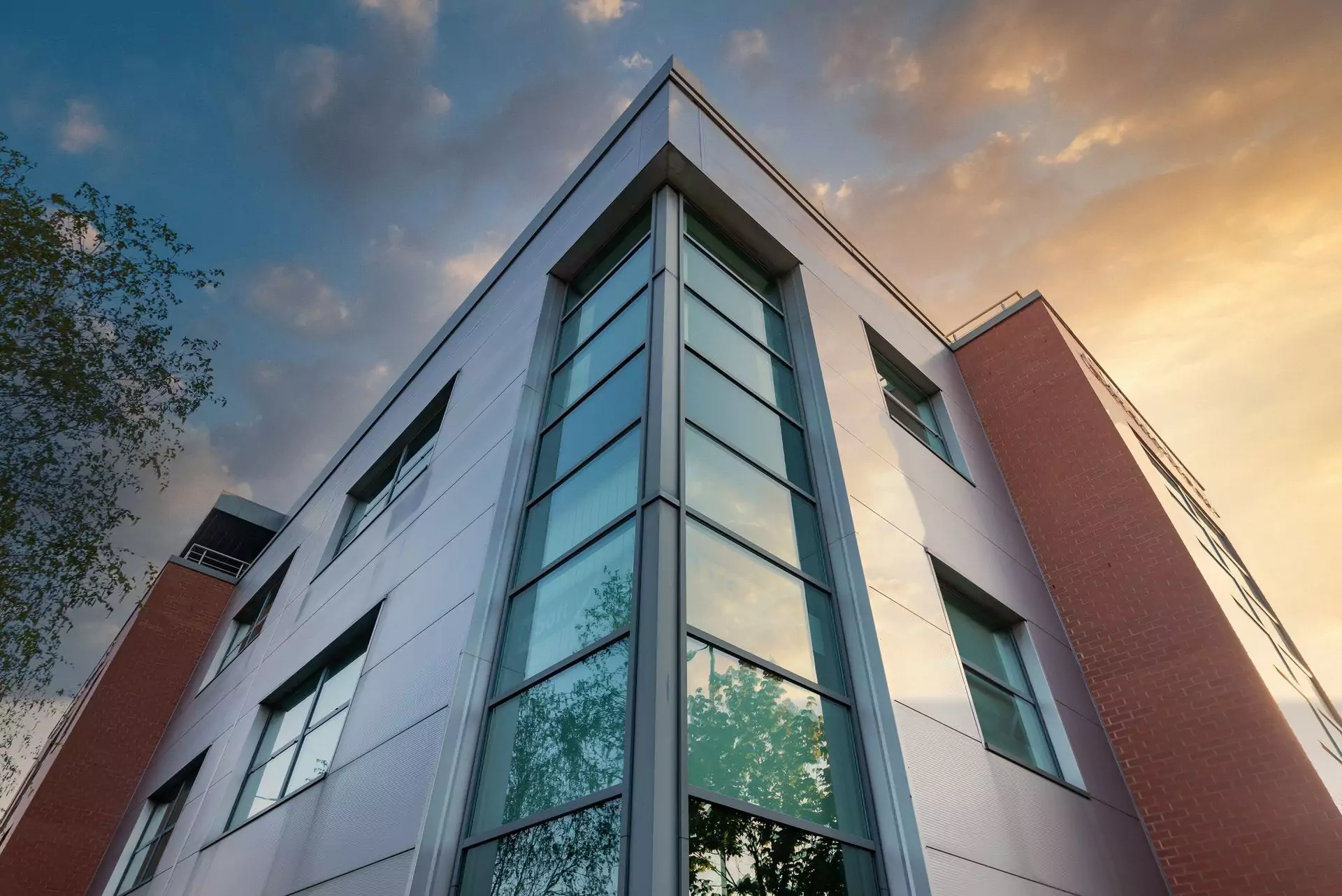
Lines and shapes guide the viewer’s eye. In modern commercial buildings like those in Doncaster’s Lakeside industrial park, sharp angles and glass surfaces reflect sky and surroundings, creating dynamic compositions. Photographers often use wide-angle lenses from ground level to accentuate height and scale, adding an imposing presence to the image.
Interior Ambience & Functionality
Interior spaces require careful staging and lighting to highlight usability and atmosphere. For hospitality venues such as Doncaster’s boutique hotels, capturing inviting seating areas, natural light through bay windows, and tasteful decorative details enhances online bookings by visually conveying comfort and style.
Landscape and Context
Surrounding environment matters. Including context shots situates your building within Doncaster’s evolving cityscape, showing accessibility and local amenities, which is particularly important for commercial real estate investors seeking location advantages.
How Does Lighting Influence the Effectiveness of Architectural Photography?
Lighting is arguably the most critical technical factor in architectural photography. The way light interacts with a building can highlight textures, create mood, and define spatial relationships.
Natural Light: Harnessing the “Golden Hour”
Early mornings or late afternoons, known as the golden hour, provide warm, diffused light that enhances brick tones and stonework while casting long shadows to emphasise depth. For instance, photographing Doncaster’s historic Mansion House during this time brings out intricate facade details that midday harsh light would flatten.
Using Shadows and Contrast
Strategic use of shadows can dramatise geometric elements, especially on minimalist buildings. For example, shooting the exterior of Doncaster’s modern civic centre from a low angle during late afternoon shadows creates bold contrasts, accentuating its angular design.
Artificial and Supplementary Lighting
Interiors often require additional lighting to compensate for low natural light or to highlight specific features. Portable LED panels and flash units can be subtly deployed to maintain an authentic look while ensuring every corner is visible. Hospitality venues benefit from this as it reveals texture in fabrics and surfaces, making spaces feel inviting online.
What Are the Latest Trends and Technologies in Architectural Photography?
Staying ahead means embracing innovation. The following cutting-edge techniques are reshaping how architecture is presented in Doncaster and beyond:
Aerial Drone Photography for Unique Perspectives
Drone footage offers sweeping views that traditional ground-based shots cannot achieve. For new developments like Doncaster’s Askern regeneration project, aerial images showcase the scale and integration within the landscape, appealing to investors and community stakeholders alike.
Augmented Reality (AR) and Virtual Tours
AR overlays and 360° virtual tours are increasingly integrated into marketing. For example, architectural firms use these tools to allow clients to explore interior layouts interactively before construction, improving client engagement and reducing redesign costs.
3D Renderings and Hyperrealistic Visualisations
Combining photography with 3D renders helps visualise unbuilt projects or planned renovations. They provide potential buyers or planning committees with immersive previews, streamlining approvals and sales processes.
How Can Doncaster Businesses Maximise ROI From Architectural Photography?
Investing in architectural photography is a strategic decision. Here’s how to ensure your budget delivers tangible returns:
Align Photography With Marketing Goals
Define clear objectives: Are you targeting investors, tenants, or end consumers? Tailor shoots accordingly. For instance, commercial landlords might prioritise clean, wide shots of office interiors emphasising natural light and technology infrastructure, while boutique retailers might highlight artistic storefronts and customer areas.
Integrate Imagery Across Channels
Consistent use of high-quality photos across websites, social media, brochures, and digital advertising increases brand recall. Doncaster’s design agency Pure Creative increased social media engagement by 50% after integrating professional architectural photos into Instagram campaigns.
Schedule Regular Updates
Buildings evolve, and so should your visual assets. Seasonal shoot scheduling captures different lighting moods and landscaping, keeping your marketing fresh and relevant. Facilities management companies report that updating images annually helped maintain steady occupancy rates, even during market downturns.
Collaborate With Experienced Architects and Designers
Working closely with architects and interior designers ensures photography highlights the most innovative and marketable features. This collaboration can uncover angles or details that non-specialists might overlook, adding uniqueness to your visual portfolio.
What Are Practical Steps for Booking and Preparing for an Architectural Photography Session in Doncaster?
Location & Access
Confirm site access times, permissions, and any health & safety requirements ahead of the shoot. For busy commercial sites or occupied buildings, early morning or late evening shoots minimise disruptions. For example, Doncaster’s museums schedule photography outside public opening hours to avoid crowds.
Pre-Shoot Planning
- Conduct a site walkthrough to identify focal points and challenges.
- Discuss your branding and messaging goals with the photographer.
- Arrange for any staging or tidying required, such as removing clutter or positioning furniture.
- Consider seasonal factors—flowering gardens or winter snow can dramatically change the mood.
During the Shoot
Stay flexible. Experienced architectural photographers will adapt to weather conditions, lighting, and unexpected opportunities to capture standout shots. Providing clear communication on your priorities will help maximise the session’s effectiveness.
Post-Shoot Deliverables
Expect a range of edited images optimised for web and print. High-resolution files suitable for large-format printing, as well as optimised versions for social media, should be included. Discuss turnaround times and usage rights upfront.
Summary: Why Architectural Photography is Essential for Doncaster Businesses
Doncaster’s architectural diversity—from Victorian heritage to sleek modern constructions—offers a rich visual narrative that professional photography can capture to powerful effect. High-quality images not only elevate brand presence but provide measurable commercial benefits, including faster sales cycles, improved client engagement, and stronger market positioning.
By embracing both traditional techniques and emerging technologies such as drone imagery and augmented reality, Doncaster businesses can showcase their properties with unmatched clarity and creativity.
If you want to leverage architectural photography to give your business the competitive edge it deserves, explore my services and book a session today.

Frequently Asked Questions
What is architectural photography?
Architectural photography is the specialised art and technical practice of capturing buildings and structures to highlight their design, aesthetic qualities, and functional aspects. It merges technical expertise—such as lighting, composition, and lens choice—with artistic vision to tell the story behind the architecture.
Why is architectural photography important for businesses in Doncaster?
In a competitive marketplace like Doncaster, where architectural styles range from historic to ultra-modern, professional photography enhances marketing by portraying properties in their best light. This increases engagement, builds credibility, and attracts potential clients or investors more effectively than amateur images.
How does lighting affect architectural photography?
Lighting impacts the mood, texture, and perception of space in architectural images. Natural light at dawn or dusk softens shadows and reveals material details, while artificial lighting can highlight interiors without disrupting ambiance. Skilled photographers plan shoots around optimal lighting conditions to enhance each building’s unique attributes.
What types of buildings benefit most from architectural photography?
All building types benefit—from historic landmarks and residential homes to commercial premises and industrial units. Each requires a tailored photographic approach to emphasise its defining features and intended use, whether it’s showcasing heritage details or sleek modern design.
Can architectural photography improve sales and marketing outcomes?
Absolutely. Research shows professionally photographed listings receive up to 94% more views online, with sales conversions increasing between 30% and 50%. Brand recognition can improve by as much as 40%, as strong visuals foster trust and interest among consumers and investors alike.
What new technologies are shaping architectural photography?
Emerging trends include aerial drone photography providing dynamic perspectives, augmented reality enabling interactive property exploration, and hyperrealistic 3D renderings offering immersive previews of unbuilt or renovated spaces. These tools enhance storytelling and decision-making in property marketing.
How do I book professional architectural photography services in Doncaster?
Visit the photographer’s website to review portfolios and service offerings. A consultation will help tailor the shoot to your business objectives and building style. Clear communication and planning ensure the session delivers impactful images aligned with your marketing strategy.


