What Is Commercial Photography?
Last Updated: January 26, 2026
Quick Answer: Commercial photography drives business growth by increasing conversion rates by up to 30% when professionally executed. It spans product, food, fashion, and location photography, each tailored to specific market needs. Investing in high-quality imagery yields an average ROI of 4:1 by enhancing brand trust and customer engagement across digital and print channels.
In the fiercely competitive UK market, commercial photography has evolved far beyond simple snapshots of products or venues. Today, it is a strategic marketing asset that communicates your brand’s values, quality, and story in a single frame. From the craft brewery in Leeds showcasing its signature ales, to a luxury fashion boutique in London unveiling the season’s latest collection, professional photography can make or break public perception. This guide delves deeper into the specialised types of commercial photography, practical benefits, and how you can harness the power of images to elevate your business.
What Types of Commercial Photography Deliver the Best Results?
Choosing the right commercial photography style depends on your industry, target audience, and marketing channels. Let’s explore the key types with real-world applications and insights.
Product Photography: Turning Browsers into Buyers
Product photography isn’t just about showing what you sell; it’s about carefully crafting desire and trust. In e-commerce, studies show that 67% of consumers consider image quality “very important” in making a purchase decision. For example, a Yorkshire-based artisan jewellery brand saw a 25% uplift in online sales after commissioning studio shots that highlighted craftsmanship through macro and texture-focused images.
The difference lies in lighting, background, and presentation. White background shots provide consistency crucial for marketplaces like Amazon, where 85% of product listings with clear images outperform those without. On the other hand, lifestyle shots—such as a cyclist wearing branded gloves while riding through the Peak District—contextualise the product, helping customers visualise usage.
Food Photography: Creating Appetite with Every Pixel
Food photography demands both artistic and technical skill. The National Restaurant Association notes that 60% of diners are influenced by food photos on social media and menus. A Leeds restaurant specialising in fusion cuisine increased weekday bookings by 40% after investing in styled food photography that emphasised texture, freshness, and colour vibrancy, using natural light and selective depth of field.
Food styling is equally vital—tiny details like the gloss on a sauce or steam rising from a freshly cooked dish make an image mouth-watering. Brands selling packaged foods often use cross-polarised lighting to eliminate glare on wrappers, ensuring the product looks flawless on digital shelves.
Fashion Photography: Beyond Clothes to Lifestyle
Fashion photography is not just about showcasing apparel but evoking emotion and lifestyle aspirations. High street retailers often use bright, clean e-commerce shots, but high-end brands like Burberry or Vivienne Westwood invest heavily in editorial-style shoots that tell a story, increasing brand equity and media coverage.
A boutique menswear brand based in Manchester elevated their social media engagement by 50% after collaborating with photographers who created urban lifestyle shoots capturing their target demographic in real-world settings, rather than sterile studios.
Location Photography: Capturing the Spirit of Place
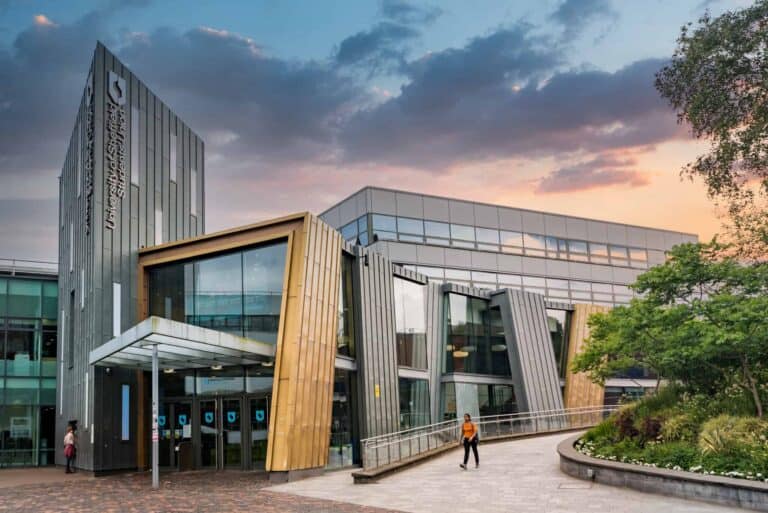
Location photography plays a crucial role in industries such as real estate, hospitality, and tourism. A boutique hotel in the Lake District reported a 35% increase in bookings after replacing outdated photos with professional images capturing the interiors, surrounding landscape, and guest experiences during different times of the day.
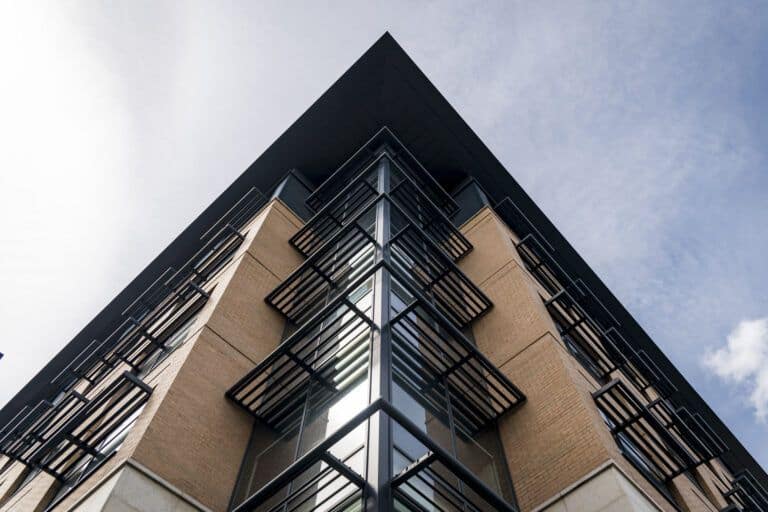
Technical considerations like shooting during “golden hour” or using drone photography for aerial views can dramatically enhance appeal. Images that communicate ambience and space help build emotional connections, often tipping the decision in competitive markets.
How Can Commercial Photography Boost Your Business? Real-World Results
Commercial photography delivers measurable benefits, as demonstrated by case studies across sectors:
- Conversion Rate Improvements: An online kitchenware retailer recorded a 28% increase in conversion by replacing stock photos with detailed, high-resolution images showing product use and scale.
- Brand Trust and Recognition: A financial services firm found that professional team portraits and office imagery improved client retention by 15%, as their website appeared more credible and approachable.
- Social Media Impact: Restaurants and bars using bespoke food and ambience photography have reported up to 60% higher engagement rates on Instagram, correlating strongly with increased foot traffic.
- Return on Investment (ROI): According to a 2025 survey by The Chartered Institute of Marketing, businesses investing at least £2,000 in commercial photography experienced an average ROI of 4:1 within six months.
These outcomes highlight that quality images do more than decorate; they function as a potent sales tool.
What Should You Look for When Hiring a Commercial Photographer?
Finding the right commercial photographer for your business is crucial to achieving your objectives. Here are key considerations:
Portfolio Relevance and Quality
Evaluate whether the photographer’s portfolio aligns with your industry and brand identity. For example, if you’re a food producer, does their portfolio include styled food shots with natural textures and appetising compositions? Technical skills like sharpness, lighting control and post-processing finesse should be evident.
Experience with Your Market
Photographers familiar with your sector understand the nuances—such as compliance with advertising standards for cosmetics or capturing the architectural lines important in real estate.
Understanding of Usage Rights and Licensing
Clarify how images can be used—online, print, adverts, social media—and any limitations. Usage rights directly affect cost and future flexibility.
Communication and Collaboration
Ensure your photographer listens to your goals and offers creative input. A good commercial photographer acts as a partner, not just a technician.
How to Prepare for a Commercial Photography Shoot: Best Practices
Preparation can make or break your shoot. Here’s how to maximise value:
Define Your Objectives Clearly
Are you launching a new product line? Rebranding? Knowing your goals helps the photographer tailor shots accordingly.
Plan Your Shot List
Create a detailed shot list covering required products, angles, styles, and any props or models needed. This avoids wasted time and budget on reshoots.
Consider Styling and Branding
Bring brand elements like colour palettes, fonts, or packaging to keep images consistent. Consider hiring professional stylists for food, fashion, or interiors.
Schedule Wisely
Book shoots during off-peak hours to minimise distractions, and allow buffer time for setup and adjustments. For outdoor shoots, monitor weather forecasts closely.
Technical Tips for Commercial Photography Success
While your photographer will handle technicalities, understanding some basics helps:
Lighting is Paramount
Natural light offers softness and authenticity but can be unpredictable. Studio lighting provides control and consistency. Many photographers combine both.
Resolution and Format
High-resolution images (minimum 300dpi for print, 72dpi optimised for web) ensure versatility across media. RAW files offer more editing flexibility but require post-processing.
Post-Processing Matters
Professional retouching corrects colour, removes imperfections, and enhances impact without appearing artificial. Quality post-production distinguishes amateurs from professionals.
How Does Commercial Photography Fit into Your Marketing Strategy?
Effective commercial photography integrates seamlessly with your marketing mix, complementing copywriting, social media, and customer experience initiatives. Here’s how to leverage it:
Use Across Multiple Channels
Consistent, high-quality images should appear on your website, ecommerce platforms, social media, email campaigns, brochures, and even packaging. This multi-channel usage amplifies brand recall.
Create Story-Driven Campaigns
Combine images into narratives—whether it’s a day in the life of your product, behind-the-scenes manufacturing, or customer testimonials—to engage emotionally.
Measure Impact
Track metrics like click-through rates, time on page, social engagement, and sales pre- and post-photography updates to refine your approach.
Frequently Asked Questions
What is the difference between commercial and editorial photography?
Commercial photography is primarily designed to promote and sell products or services, focusing on polished, compelling visuals that drive consumer action. Editorial photography, in contrast, supports storytelling in magazines, newspapers, or blogs, often reflecting a narrative or artistic expression without the primary intent to sell.
How much does commercial photography cost in the UK?
Costs vary depending on factors such as shoot complexity, photographer experience, image usage rights, and location. For small product shoots, prices typically range from £500 to £1,500 per day. Large-scale campaigns or specialised photography (e.g., drone, underwater) can exceed £5,000. Always obtain detailed quotes and understand what’s included.
How do I find a good commercial photographer in Leeds?
Start by reviewing portfolios online, focusing on those whose style matches your brand. Ask for referrals from businesses in your sector. Meet photographers in person to discuss your needs and gauge rapport. For trusted, local expertise, check out our team of experienced professionals.
What should I expect from a commercial photography portfolio?
A strong portfolio exhibits consistent image quality, shows versatility across different styles and subjects relevant to your industry, and demonstrates technical mastery in lighting and composition. Look for evidence of successful client projects and storytelling ability.
How long does a commercial photography project usually take?
Timeline depends on project scope. Simple product shoots can be completed in a single session, often lasting a few hours. More complex campaigns—incorporating multiple locations, models, and post-production—may span several days or weeks. Professional photographers provide detailed schedules during the planning phase.
Can commercial photography improve SEO and online visibility?
Yes. Optimised images with descriptive filenames, alt text, and fast loading times contribute to better search engine rankings. Additionally, engaging visuals increase user time on site and reduce bounce rates, indirectly boosting SEO performance.
How important is image consistency in commercial photography?
Consistency in style, lighting, and colour across your images builds a cohesive brand identity, which improves recognition and trust. Inconsistent images can confuse customers and dilute brand messaging.